The AI Box is an edge AI computing terminal from GDU-Tech that delivers up to 100 TOPS of processing power in a compact, lightweight form factor, designed to run AI algorithms directly on or alongside UAV platforms. For maritime and port operations, that matters because port surveillance, asset inspection, and low-altitude logistics all depend on processing sensor data quickly at the edge rather than streaming everything back to a distant server. This spotlight explains what the AI Box is, which operational problems it addresses for port and harbor teams, and what procurement officers should verify before purchasing.
What the AI Box Is
The AI Box (model A-AI01 100T, Puhui edge intelligent terminal) is a Mission Payload category product built around a high-performance computing core rated at up to 100 TOPS. It incorporates a domestically-produced neuromorphic core, which the manufacturer cites as the basis for its processing capabilities. The terminal integrates diverse AI algorithms and is positioned for intelligent applications in the low-altitude economy — the ecosystem of drones, UAVs, and aerial services operating below traditional manned aviation altitudes.
Two characteristics distinguish it from a general-purpose onboard computer. First, it supports algorithm upgrades, so the software capability of the unit can evolve after deployment. Second, it offers open computing power for user-defined development and third-party access, meaning your engineering team or system integrator can build port-specific applications on top of the hardware rather than being restricted to a fixed feature set.
Who It Is For
The AI Box is aimed at B2B buyers who need onboard intelligence rather than raw video relay: port authorities running UAV patrols over terminals and berths, logistics operators exploring drone-based cargo or inventory workflows, and system integrators building custom UAV solutions for maritime customers. In Southern Africa, where major ports handle high cargo volumes across long coastal perimeters, procurement teams evaluating edge computing payloads will find the AI Box relevant — particularly where connectivity back to shore-based data centers is limited or expensive.
It is also a practical fit for enterprise drone operators who want to standardize on one computing module across multiple airframes and mission types, since the compact, lightweight design is described by the manufacturer as easy to install and portable.
Operational Problems It Addresses
Port and maritime UAV programs typically run into three recurring constraints. The AI Box addresses each directly, based on its published specifications:
- Latency and bandwidth: processing AI algorithms at the edge reduces the need to transmit raw sensor data off-platform, which matters in port environments where radio congestion and infrastructure shadowing are common.
- Harsh environmental conditions: IP55-rated protection and an ultra-wide operating temperature range of -20°C to +55°C allow the terminal to handle dust, rain exposure, and temperature swings typical of coastal and industrial sites.
- Software lock-in: open computing power for user-defined development and third-party access lets integrators adapt the unit to port-specific workflows — berth monitoring, perimeter analytics, or cargo handling — instead of accepting a closed vendor stack.
The manufacturer also emphasizes support for algorithm upgrades, which means the unit's analytical capability can be extended as your operational requirements mature — a meaningful consideration for multi-year port digitalization budgets.
Key Specifications at a Glance
The table below summarizes the specifications published in the product data. Any detail not listed here — power consumption, interfaces, weight, supported SDKs — is not covered by the supplied information, so contact us for the datasheet.
| Attribute | AI Box (A-AI01 100T) |
|---|---|
| Category | Mission Payload |
| Brand | GDU-Tech Co., Ltd. |
| Computing power | Up to 100 TOPS |
| Core architecture | High-performance computing core with domestically-produced neuromorphic core |
| AI capability | Integrates diverse AI algorithms; supports algorithm upgrades |
| Development model | Open computing power for user-defined development and third-party access |
| Ingress protection | IP55 |
| Operating temperature | -20°C to +55°C |
| Form factor | Lightweight, compact design for easy installation and portability |
How It Fits With Other Mission Payloads
An edge computing terminal is only as useful as the sensors feeding it. For port teams assembling a UAV payload suite, the AI Box can be considered alongside complementary Mission Payload products available on SkyDrone Max:
- FPV drone thermal imaging cameras (MINI-640-2, Shenzhen Dingli Electronics): a compact, lightweight, low-power thermal camera that can serve as a video source for edge analysis in low-light or nighttime port surveillance.
- Drone Intelligent Visual Navigation System (KT-300, Beijing Kantian Technology): provides autonomous position and attitude navigation by matching airborne infrared images against reference satellite imagery, with positioning accuracy better than 10 meters and unlimited operational time and range in GNSS-denied environments — relevant for operations near large port structures that block satellite signals.
- Multifunctional Laser Mapping System (LG30, Bytech Technology): a multi-module laser device for target tracking, direction guidance, mapping, illumination, and deterrence, adaptable to various flight platforms.
These products are listed as optional context for building a complete maritime UAV payload stack. Whether a specific combination is compatible with the AI Box depends on interfaces and integration details not covered in the supplied data — contact us for the datasheet and integration guidance.
What Buyers Should Verify Before Purchasing
Edge AI terminals are infrastructure decisions, not impulse buys. Before adding the AI Box to a procurement shortlist, we recommend verifying the following with the supplier:
- Mechanical and electrical integration: confirm mounting options, dimensions, weight, power draw, and connector interfaces against your airframe or ground platform. The product data describes a lightweight, compact design but does not publish these figures.
- Environmental suitability for coastal deployment: IP55 protects against dust and water jets, but salt-laden maritime air imposes additional demands. Ask GDU-Tech or your distributor to confirm corrosion performance for your specific port environment.
- Algorithm portfolio and upgrade path: request the current list of integrated AI algorithms, the upgrade mechanism, and any licensing terms for future algorithm releases.
- Third-party development terms: if your integrator will build custom applications, clarify the scope of open computing power, supported development tools, and access conditions for third-party systems.
- Certification and compliance: the supplied data does not include certification details for the A-AI01 100T. Contact us for the datasheet and any compliance documentation relevant to your region and regulatory framework.
Procurement Considerations for Port Programs
For port authorities and maritime logistics operators, the practical question is not whether edge AI computing is useful — it is whether a specific terminal can be integrated, maintained, and upgraded within your program's constraints. The AI Box's combination of 100 TOPS-class processing, IP55 protection, a wide temperature range, and an open development model covers the baseline requirements for most maritime UAV edge-computing use cases described in the product data.
Where the data is silent — pricing, lead times, regional availability in Southern Africa, warranty terms, and detailed interface specifications — the responsible next step is a direct supplier conversation. Request the full datasheet for the A-AI01 100T, share your platform and mission profile, and ask for integration references in comparable environments. That due diligence will tell you far more than any specification sheet whether the AI Box is the right computing backbone for your port UAV program.

Featured product
AI Box
Puhui edge AI terminals, equipped with a high-performance computing core, deliver up to 100 TOPS of computing power, while also incorporating a domestically-produced neuromorphic core, ensuring exceptional processing capabilities. Integrating diverse AI algorithms, these terminals empower intelligent applications in...
Products mentioned in this guide

FPV drone thermal imaging cameras
FPV Drone Thermal Imaging Camera features high performance, compact size, lightweight design, low power consumption, and cost-effectiveness.
View product details →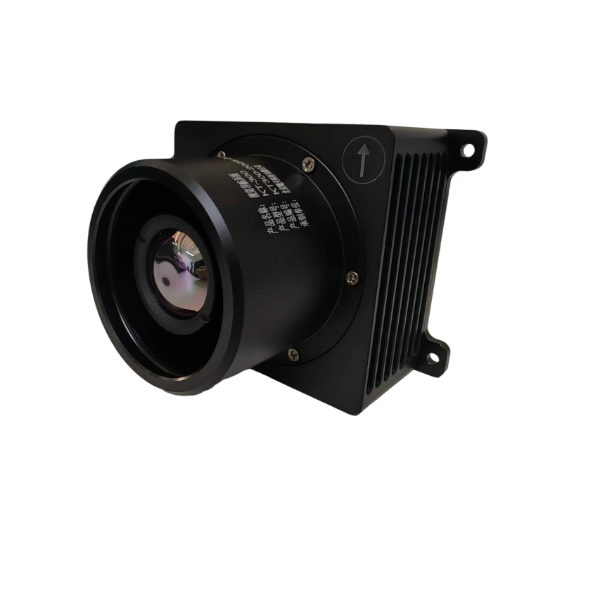
Drone Intelligent Visual Navigation System
The intelligent visual navigation system performs real-time matching and positioning by comparing airborne infrared images with reference satellite imagery. It provides autonomous...
View product details →
Multifunctional Laser Mapping System
The LG30 is BoYuan’s independently developed third-generation laser device. It addresses the challenges of integrating unmanned aerial vehicles with aerospace systems by featuring...
View product details →Frequently asked questions
What computing power does the AI Box provide?
The AI Box (model A-AI01 100T) delivers up to 100 TOPS of computing power via a high-performance computing core, supplemented by a domestically-produced neuromorphic core.
Is the AI Box suitable for harsh port environments?
The product data specifies IP55-rated protection and an operating temperature range of -20°C to +55°C, which the manufacturer describes as handling harsh environmental challenges. For salt-laden coastal air specifically, contact us for the datasheet to confirm suitability for your deployment site.
Can we develop our own applications on the AI Box?
Yes. The terminal offers open computing power for user-defined development and third-party access, and it supports algorithm upgrades. For details on development tools and access terms, contact us for the datasheet.
Which drones and platforms is the AI Box compatible with?
The product data describes a lightweight, compact design for easy installation and portability, but does not list specific compatible platforms or interface specifications. Contact us for the datasheet to confirm compatibility with your airframe or ground system.
Does the AI Box include certifications or pricing information?
Certification and pricing details are not included in the supplied product data. Contact us for the datasheet and current commercial terms.
Need help selecting the right system?
Tell us your mission, payload, and operating environment. Our team will help you compare options and request the right datasheets from verified suppliers.