Mission payloads are critical for construction progress monitoring, enabling high-resolution imaging and sensing that turns site visits into precise digital records. For procurement teams and drone operators, selecting the right payload—such as the SKYDROID C13—can streamline workflows, support timeline adherence, and reduce the need for manual inspections. This article outlines how mission payloads integrate into construction monitoring, covering workflow steps, integration considerations, operating constraints, training needs, and key procurement questions.
Understanding Mission Payloads for Construction Monitoring
In construction progress monitoring, mission payloads serve as the eyes and sensors of a drone, capturing data that informs decision-making. The SKYDROID C13, for example, is a mission payload category product equipped with a 2K high-definition visible light camera, 30x electronic zoom, a 640 thermal imaging camera, a laser rangefinder up to 1000 meters, and AI features like target locking and guidance. These capabilities allow for detailed visual inspections, heat source detection, and precise distance measurements, which are valuable for tracking structural progress, identifying issues, and verifying compliance with plans. Other options, such as the VPS Electro-Optical Pod Series, offer multi-spectral systems for all-weather operation, while payloads like the TFA1500-L provide kilometer-level LiDAR for surveying tasks.
Workflow: From Flight Planning to Data Analysis
A typical construction monitoring workflow begins with flight planning based on site maps and progress goals. Drones equipped with mission payloads conduct scheduled flights to capture imagery and sensor data. For instance, the SKYDROID C13's 2K camera and 30x zoom enable close-up shots of specific areas, such as foundation work or facade details, while its thermal imaging can detect energy leaks or moisture issues. The laser rangefinder measures distances to structural elements, supporting quantity take-offs. AI target locking, when paired with Skydroid FPV, allows for dynamic tracking of moving equipment or personnel, enhancing safety monitoring. Data is then processed into 2D maps or 3D models for comparison against project timelines, with integration into software platforms for collaborative review.
- Plan flights to cover site zones systematically, using zoom and thermal features for targeted inspections.
- Capture data with payloads like the C13, ensuring stable imaging via its three-axis stabilization.
- Process imagery into progress reports, leveraging laser measurements for accuracy.
- Share findings with stakeholders to adjust schedules or address issues promptly.
Integration Considerations for Construction Drones
Integrating mission payloads with drone systems requires attention to compatibility and data flow. The SKYDROID C13 is designed to work with Skydroid FPV for AI features and Skydroid S series flight control for AI guidance, so operators must ensure their drones support these integrations. For broader fleet use, payloads like the Laser Fusion Navigation Module (QLS100) can enhance positioning in GPS-denied areas common in urban construction sites, such as between tall buildings. Data from payloads should align with existing construction management software; for example, LiDAR data from the TFA1500-L can feed into surveying tools. Procurement teams should verify接口 specifications and software APIs to avoid siloed data.
Operating Constraints and Regulatory Compliance
Operating mission payloads in construction environments involves constraints like weather, airspace regulations, and site-specific challenges. In Europe, drones must comply with EU regulations, such as the EASA framework, which includes altitude limits and visual line-of-sight requirements. The SKYDROID C13's industrial-grade three-axis stabilization helps in windy conditions, but specific weather resistance details are not provided in the product data—contact us for the datasheet for operational limits. Construction sites may have electromagnetic interference or GNSS denial, where fusion navigation modules like the QLS100 can maintain accuracy. Operators must also consider payload weight affecting flight time and battery requirements.
Training for Effective Payload Operation
Training programs for construction drone operators should cover payload-specific skills, such as using the C13's AI target locking for tracking or interpreting thermal images for progress verification. Since AI guidance requires pairing with Skydroid S series flight control, hands-on practice with these systems is essential. Training should also address safety protocols for flying near heavy machinery and data privacy when capturing site imagery. For teams using multi-spectral payloads like the VPS series, instruction on all-weather operation and target tracking (up to 8-16 targets simultaneously) can maximize efficiency. Certification may be required based on regional regulations, so operators should verify local compliance training.
Procurement: Key Questions for Mission Payload Selection
When procuring mission payloads for construction progress monitoring, buyers should assess project needs against payload capabilities. Key questions include: What level of detail is required—2K resolution may suffice for general monitoring, but thermal imaging adds value for energy audits? Is zoom capability needed for distant inspections, such as the C13's 30x electronic zoom? How will the payload integrate with existing drones and software—checking compatibility with systems like Skydroid FPV or DJI M300/M350 for modules like the QLS100? What are the maintenance and support options, as specifics are not listed in the data—contact us for the datasheet for warranty and service details? Finally, consider future scalability; payloads with AI features may offer longevity for evolving monitoring needs.
| Payload Feature | SKYDROID C13 Example | Alternative Option |
|---|---|---|
| Imaging | 2K visible light camera with 30x zoom | VPS Electro-Optical Pod: multi-spectral with extreme resolution |
| Thermal | 640 resolution thermal camera | VPS series: all-weather IR capabilities |
| Measurement | Laser rangefinder up to 1000m | TFA1500-L LiDAR: 1500m range for surveying |
| Navigation | AI guidance with S series flight control | QLS100 Laser Fusion Module: centimeter-level positioning in GNSS denial |

Featured product
SKYDROID C13
2K High-Definition Visible Light Camera Skydroid C13 is equipped with a 2K high-definition distortion-free visible light camera with up to 5 million pixels, enabling 2K photography and card recording, bringing the beautiful scenery in the distance right before your eyes. 30xElectronicZoom The camera of the C13 can...
Products mentioned in this guide
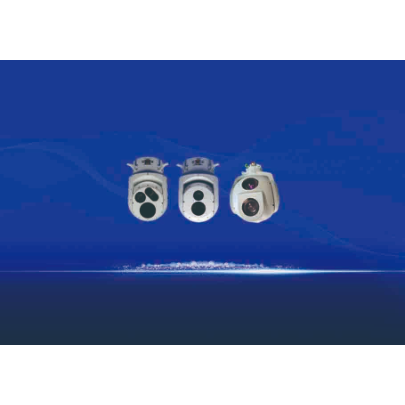
VPS Electro-Optical Pod Series
• Multi-spectral system (visible/IR/laser) for 24/7 all-weather operation • Ultra-wide scene with extreme resolution: accurately detecting vehicles up to 6 km and personnel up to...
View product details →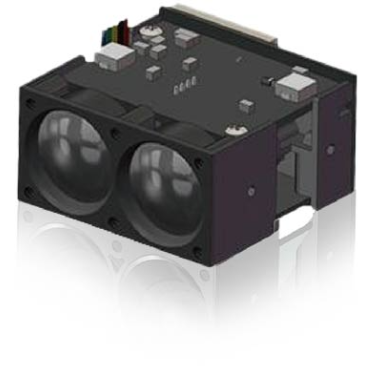
TFA1500-L
The TFA1500-L is a kilometer-level high-frequency single-point LiDAR with a range of 1500m and a maximum frequency of 1000Hz, enabling precise and rapid measurement and...
View product details →
Laser Fusion Navigation Module
The QLS100 is a high-precision multi-source fusion navigation system deeply customized for DJI's industrial-grade UAV series M300/M350. In complex scenarios such as satellite...
View product details →Frequently asked questions
What mission payloads are suitable for construction progress monitoring?
Suitable payloads include visible light cameras for visual documentation, thermal cameras for detecting issues like moisture or energy loss, and LiDAR sensors for precise measurements. The SKYDROID C13 combines 2K imaging, 30x zoom, thermal capabilities, and a laser rangefinder, making it a versatile example for construction sites.
How does the SKYDROID C13 integrate with existing drone systems?
The C13 integrates with Skydroid FPV for AI target locking and with Skydroid S series flight control for AI guidance. Buyers should ensure their drones are compatible with these systems; for other integrations, contact the manufacturer for specific compatibility details.
What training is required for operating construction monitoring payloads?
Training should cover payload operation, such as using the C13's zoom and thermal features, as well as AI functions like target locking. It must include safety protocols for construction environments and compliance with regional drone regulations, such as those in Europe.
What are the operating constraints for drone payloads in Europe?
Operations must follow EU drone regulations, including altitude and line-of-sight limits. Environmental factors like wind may affect performance; the C13's three-axis stabilization helps, but specific weather resistance details are not provided—contact us for the datasheet for operational limits.
What procurement questions should I ask when buying mission payloads?
Ask about resolution needs, integration compatibility with existing drones and software, sensor types required (e.g., thermal or LiDAR), and support options. Since prices and exact specifications are not listed in the product data, request the datasheet from suppliers for detailed comparisons.
Need help selecting the right system?
Tell us your mission, payload, and operating environment. Our team will help you compare options and request the right datasheets from verified suppliers.