A mission payload is the equipment a UAV carries to perform its actual task — cameras, thermal imagers, electro-optical pods, and sensors — and for maritime and port operations it is usually the single most important line item in a procurement decision. The airframe gets the sensor to the scene; the payload determines whether your team can detect a perimeter breach at night, inspect a vessel hull, or monitor cargo handling across a wide terminal area. This FAQ answers the questions procurement teams most often ask before specifying payloads for port security, vessel monitoring, and waterside infrastructure inspection, using the Hefei AIRVISEN QL-I640E infrared thermal imaging module as a working example.
What mission payloads are typically used in maritime and port operations?
Port and maritime programs generally draw on three payload families, each suited to different tasks:
- Thermal imaging modules. These provide infrared imagery for night operations and low-visibility conditions. The Infrared Thermal imaging module (model QL-I640E) from Hefei AIRVISEN Technology is designed for UAV, vehicle night vision, security monitoring, and industrial inspection applications, and is described as offering high performance, low power consumption, and reliable long-term operation under various working conditions.
- Electro-optical pods. Multi-sensor pods combine visible light cameras with infrared imaging. The D110-Pro from the Institute of Intelligent Instruments and Measurement Controlling Technology is aimed at long-range, wide-area, long-duration surveillance of aircraft, vehicles, or pedestrians, with applications in disaster assessment, environmental monitoring, power line inspection, counter-terrorism, and customs anti-smuggling. The Sakereye240A from Zhejiang Rainbow Aerospace adds a laser rangefinder and refrigerated thermal imager, supporting day and night reconnaissance, target ranging, positioning, and tracking.
- Low-light cameras. Starlight cameras such as the KT&C ATC-HZ5240T produce clear images under extremely low illumination (below 0.001 lux) and are used in security surveillance, vehicle night vision, and military reconnaissance.
For a typical port program, thermal imaging covers night patrol and perimeter monitoring, electro-optical pods handle multi-mission reconnaissance and target tracking, and low-light cameras supplement fixed or mobile surveillance where visible-light detail matters.
How do I match a payload to my operational requirement?
Start with the task, not the sensor. Procurement teams should document the following before contacting suppliers:
- Primary missions: perimeter patrol, vessel approach monitoring, cargo inspection, infrastructure inspection, or search and assessment.
- Operating conditions: night operations, marine environment exposure, and required continuous operating duration.
- Platform: which UAV or vehicle the payload will mount on, and what interfaces and power budget that platform supports.
- Output requirements: whether operators need imaging only, or also ranging, positioning, and target tracking — capabilities the Sakereye240A explicitly provides.
- Integration constraints: payload weight, dimensions, and interface compatibility with your flight control and data link systems.
If night capability is the driver, a dedicated thermal module like the QL-I640E is a focused choice. If the mission list includes target search, capture, recognition, and tracking across day and night, an electro-optical pod with multiple sensors may fit better. For specific weight, dimension, and power figures, contact us for the datasheet on any product under consideration.
What integration questions should we ask the supplier?
Integration is where payload procurements most often stall. The QL-I640E series is described as having a rich interface that can be flexibly expanded and customized according to specific needs — a relevant point for port teams integrating into existing UAV fleets. Before committing, ask suppliers:
- Which mechanical and electrical interfaces does the payload expose, and does it match our airframe?
- Is customization available for our specific platform and mission requirements?
- What documentation is provided for integration — interface definitions, power requirements, and control protocols?
- Can the supplier support testing during our integration phase?
- What is the expected behavior under continuous operation in varied working conditions, as described for the QL-I640 series?
Suppliers who can answer these questions in writing, with documentation, are materially easier to integrate than those who cannot.
How do the main payload options compare?
The table below summarizes the payload types relevant to maritime and port procurement, based strictly on published product descriptions. Detailed specifications are not listed on the product pages; contact us for the datasheet of any item you are evaluating.
| Attribute | QL-I640E (thermal module) | D110-Pro (EO pod) | Sakereye240A (EO pod) | ATC-HZ5240T (starlight camera) |
|---|---|---|---|---|
| Brand | Hefei AIRVISEN Technology | Institute of Intelligent Instruments and Measurement Controlling Technology | Zhejiang Rainbow Aerospace Measurement & Control Technology | KT&C China, Inc. |
| Sensor type | Infrared thermal imaging | Visible light camera and infrared imaging | Visible light TV, refrigerated infrared thermal imager, laser rangefinder | 40x starlight night vision camera |
| Stated capabilities | Imaging for UAV, vehicle night vision, security monitoring, industrial inspection | Long-range, wide-area, long-duration surveillance of aircraft, vehicles, pedestrians | Day/night reconnaissance, target ranging, positioning, tracking, platform stability | Clear images below 0.001 lux illumination |
| Notable characteristics | High performance, low power consumption, rich expandable interfaces, long-term stable operation | Suited to disaster assessment, environmental monitoring, counter-terrorism, customs anti-smuggling | Good visual axis stability, universality, high reliability; adapts to various aircraft and vehicle platforms | Designed for security surveillance, vehicle night vision, military reconnaissance |
What compliance and documentation should we request?
B2B buyers in North America should treat documentation as part of the deliverable, not an afterthought. For any mission payload, request in writing:
- The full technical datasheet, including weight, dimensions, power consumption, and interface specifications. Product pages — including those for the QL-I640E — summarize capabilities but do not list every figure, so contact us for the datasheet.
- Any certifications or test reports applicable to the product. Do not assume certification status; verify what documentation the manufacturer can supply.
- Interface and integration documentation sufficient for your engineering team to plan the installation.
- Warranty terms, spare parts availability, and the supplier's support process for long-term operation.
If a supplier cannot produce documentation for a claimed capability, treat that capability as unverified until proven otherwise.
How should we evaluate payload suppliers?
Use a consistent scorecard across candidates. For maritime and port programs, weight the following criteria:
- Fit to mission: does the product description match your documented use cases, or is the match approximate?
- Customization capability: the QL-I640 series is explicitly described as flexibly expandable and customizable — a meaningful differentiator for fleet integration.
- Operational reliability: look for stated long-term stable operation under various working conditions, as claimed for the QL-I640 series.
- Support model: availability of integration support, documentation, and responsive technical contact.
- Provenance: established manufacturers such as Hefei AIRVISEN Technology, KT&C China, and Zhejiang Rainbow Aerospace Measurement & Control Technology publish product descriptions through the SkyDrone Max marketplace; review each brand's full listing before shortlisting.
Run the same scorecard for every candidate, including items outside your initial shortlist. It keeps the evaluation defensible internally and prevents decisions driven by a single demonstration.
What is the practical next step for a port procurement team?
Define the mission list, shortlist payloads against it, and request datasheets and integration documentation for each candidate. If night-time surveillance and industrial inspection are core requirements, the QL-I640E thermal imaging module is a reasonable starting point for evaluation; if your missions require ranging, positioning, and tracking in a single unit, review the Sakereye240A electro-optical pod alongside it. For current availability, pricing, and detailed specifications on any mission payload in this article, contact us for the datasheet — published pages intentionally summarize capabilities rather than replace formal technical documentation.

Featured product
Infrared Thermal imaging module
The QL-I640 series movement features high performance, low power consumption and low cost. The QL-I640 series movement has good imaging quality, reliable working performance, and can work stably for a long time under various working conditions. The QL-I640 series movement has a rich interface, which can be flexibly...
Products mentioned in this guide

Electro-Optical Pod
The primary reconnaissance and monitoring targets are aircraft, vehicles, or pedestrians. Through visible light cameras and infrared imaging, it enables long-range, wide-area, and...
View product details →
Starlight Camera
A 40x starlight night vision camera is a device that can still produce clear images under extremely low illumination (below 0.001 lux). It is widely used in security surveillance,...
View product details →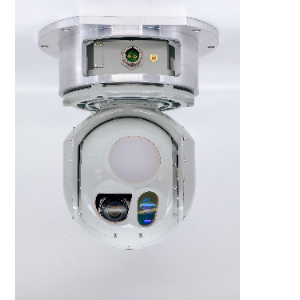
Electro-Optics pod
The Sakereye 240A electro-optical pod is equipped with visible light television, refrigerated infrared thermal imager, and laser rangefinder, and has functions such as day and...
View product details →Frequently asked questions
What is a mission payload in a UAV procurement context?
A mission payload is the equipment a UAV carries to perform its operational task — for example, an infrared thermal imaging module, an electro-optical pod, or a low-light camera. It is distinct from the airframe, flight control, and data link components, and it directly determines what missions the aircraft can perform. For maritime and port operations, payloads typically handle night surveillance, reconnaissance, and inspection tasks.
Is the QL-I640E suitable for port security and night patrol?
The QL-I640E infrared thermal imaging module from Hefei AIRVISEN Technology is described as suitable for UAV, vehicle night vision, security monitoring, and industrial inspection applications, with reliable long-term operation under various working conditions. These described use cases align with port security and night patrol requirements. For detailed performance specifications and suitability against your specific mission profile, contact us for the datasheet.
Can these payloads be customized for our existing UAV fleet?
The QL-I640 series is explicitly described as having a rich interface that can be flexibly expanded and customized according to specific needs. The Sakereye240A electro-optical pod is described as adapting to various aircraft and vehicle platforms. For other payloads, customization availability should be confirmed directly with the supplier, and we recommend requesting interface documentation before committing to an integration plan.
What documentation should we request before purchasing?
Request the full technical datasheet (weight, dimensions, power consumption, interface definitions), any applicable certifications or test reports, integration documentation, and warranty and support terms. Product pages summarize capabilities but do not list complete specifications, so contact us for the datasheet on any product you are evaluating. Never proceed on undocumented claims.
How do I choose between a thermal module, an electro-optical pod, and a starlight camera?
Match the payload to the mission. A thermal module like the QL-I640E focuses on infrared imaging for night vision, security monitoring, and industrial inspection. An electro-optical pod such as the D110-Pro or Sakereye240A combines visible light and infrared sensors — the Sakereye240A adds laser ranging, positioning, and target tracking — for multi-mission reconnaissance. A starlight camera like the ATC-HZ5240T produces clear images under extremely low illumination (below 0.001 lux) for surveillance applications. If your requirement spans several of these, request datasheets for each and compare against your documented mission list.
Need help selecting the right system?
Tell us your mission, payload, and operating environment. Our team will help you compare options and request the right datasheets from verified suppliers.