When selecting a mission payload for surveying and mapping drones, buyers must balance resolution, integration capabilities, and environmental resilience to achieve accurate and efficient data collection. The right payload can transform aerial surveys into detailed, actionable insights, particularly in challenging regions like North Africa where terrain and climate demand robust solutions. This guide outlines key selection criteria, trade-offs, and a procurement checklist to inform purchasing decisions for the 2026 market.
Understanding Mission Payloads for Surveying and Mapping
Mission payloads for surveying and mapping typically include thermal imaging cameras, multi-sensor systems, and laser rangefinders, each serving distinct data collection needs. For instance, the Zino Series Thermal Imaging Modules from Zhejiang Pixfra Technology Co., Ltd. utilize uncooled vanadium oxide detectors with selectable resolutions of 384x288 or 640x512, offering high sensitivity for applications in construction, power infrastructure, and agriculture. These modules support interfaces like BT1120 digital video, CVBS, and serial communication, facilitating integration into various drone platforms for mapping tasks.
Key Selection Criteria
Buyers should prioritize several factors when choosing a mission payload. Resolution is fundamental—higher resolutions like 640x512 provide finer detail for large-area mapping, while lower resolutions may suffice for rapid surveys. Interface compatibility is critical; payloads with standard outputs such as CVBS or digital interfaces like BT1120 ensure seamless connection to drone flight controllers and data recorders. Physical attributes, including size and weight, must align with the drone's payload capacity, especially for compact platforms used in confined spaces.
- Resolution: Match detector resolution (e.g., 384x288 or 640x512) to the required spatial detail for mapping accuracy.
- Interface: Confirm support for video outputs (e.g., BT1120, CVBS) and serial communication for data integration.
- Size and Weight: Ensure the payload fits within the drone's physical and weight limits to maintain stability and flight time.
- Power Consumption: Assess power requirements to avoid exceeding the drone's battery capacity, particularly for extended missions.
- Software Support: Check for available SDKs or development kits if secondary development is needed for custom applications.
Trade-offs and Integration Questions
Selecting a payload involves trade-offs between performance and practicality. For example, uncooled detectors like those in the Zino Series offer cost-effective solutions with adequate sensitivity for most surveying tasks, while cooled cameras, such as the HOT Miniaturized Cooled Camera Core from Vital Optics Technology Co., LTD, may provide superior image quality in low-contrast scenes but at the expense of higher power and cost. Integration questions should address whether the payload's data interfaces align with existing ground control software and if the manufacturer provides documentation for system-level integration.
Related products illustrate alternative approaches. The JS-MINI series from Hangzhou Jieshi Technology Co., Ltd. features compact, low-power modules with CVBS output, suitable for embedding into robotic gimbals or helmets for mobile mapping. The PQL02 Micro Quad-sensor Camera from GDU-Tech Co., Ltd. integrates multiple sensors, including infrared and laser rangefinder, for comprehensive data fusion in complex surveying environments. Each option presents trade-offs in complexity versus functionality, requiring buyers to assess mission-specific needs.
Product Options for Surveying and Mapping
The market offers a range of mission payloads tailored to different surveying scenarios. The Zino Series provides versatile thermal imaging with multiple lens options, ideal for infrastructure inspections and agricultural mapping. For applications requiring minimal size and power, the JS-MINI series with resolutions up to 640x512 offers embeddable solutions. Multi-sensor systems like the PQL02 combine optical zoom, infrared, and laser rangefinding for detailed topographic surveys, while cooled cores such as the HOT Miniaturized Cooled Camera deliver enhanced performance for specialized tasks like gas detection or forest fire prevention. Buyers should evaluate these based on operational context rather than inherent superiority.
| Attribute | Zino Series Thermal Imaging Modules | JS-MINI Series |
|---|---|---|
| Resolution | 384x288 or 640x512 selectable | 256, 384, or 640 depending on model |
| Interface | BT1120 digital video, CVBS, serial communication | CVBS output (from product name) |
| Key Features | Multiple lens options, wide industry applications | Compact size, low power consumption, embeddable |
| Typical Use | Manufacturing, agriculture, transportation | Robotic gimbals, military helmets, pods |
Procurement Checklist
- Define mission requirements: Specify resolution, field of view, and data output formats needed for surveying tasks.
- Verify technical specifications: Confirm interface compatibility, power draw, and physical dimensions against drone platform limits.
- Assess environmental suitability: For regions like North Africa, consider operating temperature ranges and dust resistance, though specific ratings should be obtained from datasheets.
- Evaluate support and documentation: Ensure availability of SDKs, integration guides, and technical support for troubleshooting.
- Plan for scalability: Choose payloads that allow for future upgrades or integration with additional sensors as needs evolve.
Regional Considerations for North Africa
In North Africa's diverse environments, from desert terrains to coastal areas, mission payloads must withstand high temperatures and dust exposure. Thermal imaging modules like the Zino Series can aid in infrastructure monitoring by detecting heat anomalies in buildings or power lines, while multi-sensor systems such as the PQL02 support mapping of archaeological sites or urban development projects. Buyers should confirm payload durability through manufacturer specifications and consider operational protocols for extreme conditions to ensure reliable performance.

Featured product
Zino Series Thermal Imaging Modules
The Zino Series digital camera modules utilize industry-leading uncooled vanadium oxide focal-plane detectors (with selectable resolutions of 384x288 or 640x512), offering high sensitivity and excellent image quality. This series supports a variety of focal length lenses and is equipped with a BT1120 digital video...
Products mentioned in this guide
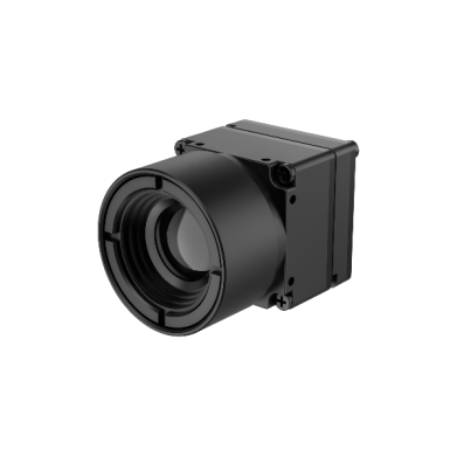
Thermal imaging camera (CVBS OUTPUT) Multiple co ors to choose from
“The core module is a miniaturizedintegrated product characterized by itscompact size and low power consumption.It can be embedded into various types ofequipment, such as robotic...
View product details →
PQL02 Micro Quad-sensor Camera
The industry-leading multi-sensor fusion solution integrates a wide-angle camera, a combined optical zoom camera, an infrared camera and a high-precision laser rangefinder, with...
View product details →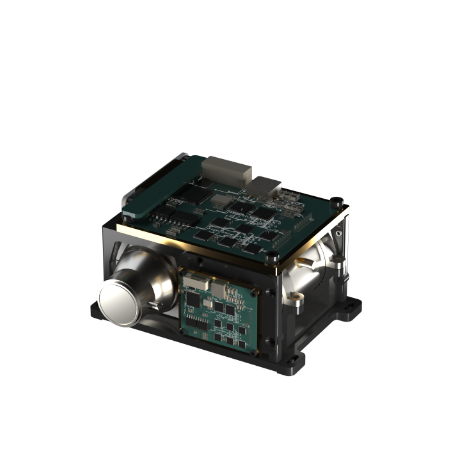
HOT Miniaturized Cooled Camera Core
Cooled camera core is a high-performance thermal imaging componentindependently developed by vOT. lt has the advantages of small sizelight weight and low input power, and can be...
View product details →Frequently asked questions
What is the difference between uncooled and cooled thermal imaging modules?
Uncooled modules, like the Zino Series, use vanadium oxide detectors and offer a balance of sensitivity and cost for general surveying. Cooled modules, such as the HOT Miniaturized Cooled Camera Core, provide higher performance through active cooling, suitable for low-contrast scenes, but may involve higher power and complexity. Specific performance comparisons should be reviewed against mission requirements.
How do I choose the right resolution for my mapping projects?
Resolution selection depends on the required level of detail. The Zino Series offers 384x288 or 640x512 options, where higher resolutions suit large-area mapping with fine features. For rapid surveys or embedded applications, the JS-MINI series provides resolutions up to 640x512 in a compact form. Assess the trade-off between image detail and data processing demands based on your specific use case.
What interfaces should I look for in a thermal imaging module?
Common interfaces include digital video like BT1120, analog outputs such as CVBS, and serial communication ports. The Zino Series supports BT1120, CVBS, and serial, while the JS-MINI series features CVBS output. Ensure these align with your drone's data transmission and recording systems to avoid integration issues.
Can these payloads be integrated with existing drone platforms?
Integration depends on physical compatibility, interface matching, and software support. Payloads like the Zino Series with standard interfaces can often be integrated with various drones, but it is essential to verify weight limits, power requirements, and available SDKs for custom development. Consult the manufacturer or datasheets for specific integration guidance.
What are key considerations for operating payloads in North Africa?
For North Africa's hot and dusty conditions, prioritize payloads with robust environmental sealing and temperature tolerance. Thermal imaging modules can enhance infrastructure monitoring, but confirm operational limits from product specifications. Additionally, consider the availability of local support and spare parts to minimize downtime during field operations.
Need help selecting the right system?
Tell us your mission, payload, and operating environment. Our team will help you compare options and request the right datasheets from verified suppliers.