If you are specifying a propulsion system for an infrastructure inspection UAV, the core question is simple: does the engine match your airframe class and mission profile? On the supplied data, the E-280 b2 EFI engine is positioned for UAVs from 100 to 250 kg and emphasizes fuel-injected efficiency and compact integration, while The BP10T UAV engine is a gasoline-powered, 4-cylinder, 4-stroke unit with water cooling and direct fuel injection, rated at 60 kW maximum power, 65 kg weight, and a supported maximum take-off weight of 300 kg. Neither engine is universally "better" — the right choice depends on your MTOW envelope, endurance targets, and how much integration space your airframe offers. This comparison lays out what the supplied data actually says, flags where datasheet values are missing, and ends with selection guidance based on mission fit.
Side-by-Side Comparison: What the Data Shows
The table below compares only attributes that appear in the supplied product data. Where a value is not provided for one engine, it is marked as unavailable — in those cases, contact us for the datasheet rather than assuming parity.
| Attribute | E-280 b2 EFI engine | The BP10T UAV engine |
|---|---|---|
| Brand | Henan Peregrine AeroModel Technology Co., Ltd | BLUE PLANET Tech (Henan) CO., LTD |
| Model | E-280 b2 | BP10T |
| Engine type / fuel | Fuel-injected (EFI) engine; fuel type not specified in supplied data — contact us for the datasheet | Gasoline-powered, 4-cylinder, 4-stroke |
| Fuel system | Specially designed fuel injection system | Direct fuel injection |
| Cooling | Not specified in supplied data — contact us for the datasheet | Water cooling |
| Max power | Not specified in supplied data — contact us for the datasheet | 60 kW |
| Engine weight | Not specified in supplied data — contact us for the datasheet | 65 kg |
| Supported UAV class / MTOW | UAVs from 100 to 250 kg on requirements | Supports a maximum take-off weight of 300 kg |
| Fuel consumption claim | 10% lower fuel consumption compared to the last engine generation | Not specified in supplied data — contact us for the datasheet |
| Mechanical design | Compact mechanical design for limited integration space | Not specified in supplied data — contact us for the datasheet |
Read the table as a procurement checklist, not a scorecard. The two products publish different sets of attributes, so a direct performance ranking is not possible from the data alone. The BP10T gives you concrete power and weight figures; the E-280 b2 gives you a defined UAV weight class and a fuel-consumption improvement claim relative to its own predecessor — not relative to the BP10T.
E-280 b2 EFI Engine: Efficiency and Integration Focus
The E-280 b2 EFI engine from Henan Peregrine AeroModel Technology is specified for UAV applications from 100 to 250 kg "on requirements," which suggests the final configuration is matched to the customer's airframe. Three characteristics stand out in the supplied description:
- A specially designed fuel injection system combined with the engine to deliver high power density.
- A stated 10% lower fuel consumption compared to the last engine generation, which the manufacturer links to the aircraft's ability to cover long distances — directly relevant to long linear inspections such as powerlines or pipelines.
- A compact mechanical design intended to ease integration into the limited space available in the airframe.
For procurement teams, the practical implication is that the E-280 b2 is presented as a propulsion system for mid-weight inspection UAVs where fuel efficiency and packaging matter. What the supplied data does not tell you: rated power output, engine weight, displacement, cooling method, fuel type, or emissions figures. All of these affect airframe integration and endurance calculations, so request the datasheet before committing to an integration study.
The BP10T UAV Engine: Published Power for Heavier Airframes
The BP10T from BLUE PLANET Tech (Henan) is the more fully specified of the two in the supplied data. It is a gasoline-powered, 4-cylinder, 4-stroke engine with water cooling and direct fuel injection. Its headline figures — 60 kW maximum power, 65 kg engine weight, and support for a 300 kg maximum take-off weight — place it in the heavy-lift end of the fixed-wing and VTOL inspection market.
- Four cylinders and water cooling suggest a design intended for sustained, higher-output operation, though the supplied data does not quantify thermal performance — contact us for the datasheet.
- Direct fuel injection is a meaningful feature for fuel metering consistency, particularly relevant for operations in varied climates and altitudes, such as across Latin American terrain from coastal lowlands to Andean plateaus. The supplied data does not include altitude or temperature operating limits, so confirm these with the manufacturer.
- The 65 kg engine weight is a hard integration constraint: your airframe's powerplant bay, CG envelope, and cooling provisions must accommodate it.
Note that the supplied data does not state the BP10T's fuel consumption, specific fuel consumption, or recommended UAV class beyond the 300 kg MTOW figure. If endurance per liter of fuel is a procurement criterion, ask for those numbers directly.
The Third Option: E-560 b4 for the 200–350 kg Class
If your inspection platform sits above the E-280 b2's envelope, the E-560 b4 EFI engine — also from Henan Peregrine AeroModel Technology — is specified for UAVs from 200 to 350 kg. It shares the same described characteristics as the E-280 b2: a specially designed fuel injection system, high power density, 10% lower fuel consumption than the last engine generation, and a compact mechanical design for limited integration space. Like the E-280 b2, its power output and weight are not in the supplied data; contact us for the datasheet. The ESC for UAV (ZX 80A & ZX 100A) from Shenzhen ZTW Model Science & Technology also appears in this category, but it is an electronic speed controller designed for high-power unmanned aerial vehicles — an electric propulsion component, not a comparable alternative to these combustion engines.
Matching Engine Class to Infrastructure Inspection Missions
Infrastructure inspection — powerlines, pipelines, bridges, rail corridors, and telecom towers — imposes a distinctive propulsion profile: long, repetitive flight lines, often in remote areas with limited refueling infrastructure. That is why fuel consumption claims and MTOW class matter more in this sector than peak-speed figures.
| Mission profile | Better fit per supplied data | Why |
|---|---|---|
| Mid-weight inspection UAV (100–250 kg MTOW class), long linear routes, tight fuselage packaging | E-280 b2 EFI engine | Specified for 100–250 kg UAVs; compact mechanical design; stated 10% fuel consumption improvement over the previous generation |
| Heavier inspection platform up to 300 kg MTOW requiring published power output | The BP10T UAV engine | 60 kW max power, 65 kg weight, 4-cylinder water-cooled direct-injection design, supports 300 kg MTOW |
| Larger inspection UAV in the 200–350 kg class within the Peregrine ecosystem | E-560 b4 EFI engine | Specified for 200–350 kg UAVs with the same EFI efficiency and compact-integration description as the E-280 b2 |
For operators running inspection programs in Latin America, the same logic applies, with one practical addition: remote corridors mean fuel logistics and maintenance access are part of the total cost of ownership. The supplied data does not include service network coverage, fuel octane requirements, or spare-parts lead times for either brand — ask both manufacturers for these details as part of your RFQ.
Selection Guidance and Pre-Purchase Checklist
Base your decision on mission fit, not on headline numbers alone. A practical sequence for procurement teams:
- Fix your airframe class first. If your UAV sits in the 100–250 kg range, the E-280 b2 is the engine specified for that envelope. If you are at or near 300 kg MTOW, the BP10T's published rating covers it; the E-560 b4 extends to 350 kg.
- Demand the missing datasheet values. Rated power, engine weight, cooling method, and fuel type for the E-280 b2 are not in the supplied data — contact us for the datasheet. For the BP10T, request fuel consumption and operating envelope figures.
- Validate integration space. The E-280 b2's compact design claim is only useful if your powerplant bay dimensions confirm it; the BP10T's 65 kg and 4-cylinder water-cooled layout require verified volume, CG, and radiator provisions.
- Model endurance, not just power. The E-280 b2's 10% consumption improvement is measured against Peregrine's previous generation, not against the BP10T. Build your endurance math from actual specific fuel consumption figures once supplied.
- Confirm environmental limits. For inspection routes across varied Latin American terrain — altitude, temperature, humidity — neither product's supplied data includes operating environment limits. Put these questions in writing to both manufacturers.
In short: choose the E-280 b2 EFI engine when your platform is in the 100–250 kg class and integration space and fuel efficiency drive the design; choose The BP10T UAV engine when you need published 60 kW output for an airframe up to 300 kg MTOW and can accommodate a 65 kg, water-cooled, 4-cylinder installation. Where the data is silent, treat "contact us for the datasheet" as the next procurement step — not an optional one.

Featured product
E-280 b2 EFI engine
Applications for UAVs from 100 to 250 kg on requirements. The seamless combination of the specially designed fuel injection system gives the E-280b2 engine high power density and guarantees durability and reliability of the propulsion system and the aircraft. The 10% lower fuel consumption compared to the last engine...
Products mentioned in this guide

The BP10T UAV engine
The BP10T UAV engine is a gasoline-powered, 4-cylinder, 4-stroke engine with water cooling and direct fuel injection. It has a maximum power output of 60 kW, weighs 65 kg, and...
View product details →
E-560 b4 EFI engine
Applications for UAVs from 200 to 350 kg on requirements. The seamless combination of the specially designed fuel injection system gives the E-560b4 engine high power density and...
View product details →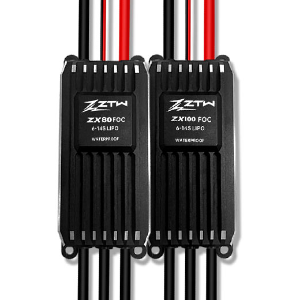
Frequently asked questions
What is the maximum power output of the E-280 b2 EFI engine?
The supplied product data does not state a power output figure for the E-280 b2. It is described as delivering high power density through its specially designed fuel injection system and is specified for UAVs from 100 to 250 kg. Contact us for the datasheet for rated power and related specifications.
How much does the BP10T UAV engine weigh, and what UAVs can it power?
According to the supplied data, the BP10T weighs 65 kg and supports a maximum take-off weight of 300 kg. It is a gasoline-powered, 4-cylinder, 4-stroke engine with water cooling and direct fuel injection, producing a maximum power output of 60 kW.
Which engine is more fuel-efficient, the E-280 b2 or the BP10T?
A direct comparison cannot be made from the supplied data. The E-280 b2 is described as having 10% lower fuel consumption than the previous Peregrine engine generation, but no fuel consumption figure is provided for the BP10T. Request datasheets from both manufacturers to compare specific fuel consumption on equal terms.
Is the E-560 b4 EFI engine a better alternative to the E-280 b2?
It depends on your airframe class. The E-560 b4 is specified for UAVs from 200 to 350 kg, while the E-280 b2 covers 100 to 250 kg. Both share the same described EFI efficiency and compact integration characteristics. If your platform exceeds the E-280 b2's envelope, the E-560 b4 is the corresponding option; otherwise contact us for the datasheet to compare detailed specifications.
Are these engines suitable for infrastructure inspection UAVs in Latin America?
Both engines are propulsion components for fixed-wing and VTOL UAV platforms used in applications such as infrastructure inspection, and the E-280 b2's long-distance fuel-efficiency claim is relevant to long inspection routes. However, the supplied data does not include operating altitude, temperature limits, fuel requirements, or regional service coverage. Confirm environmental specifications and support logistics with the manufacturers before deploying in specific Latin American operating conditions.
Need help selecting the right system?
Tell us your mission, payload, and operating environment. Our team will help you compare options and request the right datasheets from verified suppliers.