Drones for infrastructure inspection replace slow, manual, and often hazardous field surveys with repeatable aerial data collection. For B2B buyers, the practical question is not whether drones can inspect assets, but which platform type fits the workflow: fully autonomous systems that fly unattended missions from a docking station, or versatile electric quadcopters that a team deploys mission by mission. This article walks through both paths, using the Saint · Lotus Fully Autonomous Unmanned Aerial Vehicle Inspection System from IKINGTEC as an example of the autonomous approach, and covers workflow design, integration, operating constraints, training, and the procurement questions that matter before you sign a purchase order.
How Drone Inspection Workflows Actually Run
An infrastructure inspection program typically follows five stages: route planning over the asset, automated flight and data capture, data transmission to the ground, analysis by the inspection team, and re-flight scheduling for follow-up. The workflow you choose depends heavily on how much of that cycle you want automated.
Fully autonomous platforms sit at one end of that spectrum. The Saint · Lotus Fully Autonomous Unmanned Aerial Vehicle Inspection System, self-developed by iKingtec Intelligence, operates entirely without manual control throughout its missions and adapts flexibly to a wide range of scenarios. Its biomimetic and aerodynamic design is aimed at industrial inspection duty rather than hobbyist use. In this model, the inspection team defines missions and reviews results; the aircraft handles takeoff, transit, capture, and return on its own.
At the other end are multi-mission platforms such as the XQ10E Electric Quadcopter from Shenzhen Flamingo Aviation Technology. It is a long-endurance pure electric quadcopter platform with universal mounting capability, able to carry various payload devices for aerial video data collection and real-time transmission, 3D mapping, and environmental monitoring. It features fully autonomous takeoff and landing, cruise capability, a dual redundant flight control system, and multiple safety control strategies. This suits teams that want one airframe to serve inspection today and surveying or monitoring tomorrow, with operators directing each deployment.
Docking Stations and the Unattended Inspection Cycle
The most significant operational shift for infrastructure owners is the move from piloted sorties to unattended cycles. In the IKINGTEC ecosystem, the Tiger Den Fully Autonomous Docking Station works in tandem with the Orca Industrial Drone to achieve fully automated, unattended inspection processes. The docking station acts as the power hub and versatile toolkit for the drone, and serves as a key data collection and transmission node for the ground-based IoT. iKingtec positions it as a future intelligent computing node in fog computing infrastructure, which matters for buyers planning edge processing at remote sites.
For a distributed asset network, this architecture changes the economics of inspection frequency. When a drone can launch, inspect, return, and recharge without a crew on site, routine inspections stop competing with crew scheduling and travel time. That is particularly relevant in Latin America, where transmission lines, pipelines, and highway corridors often span hundreds of kilometers between operations bases, and mobilizing an inspection crew to a remote segment can take longer than the inspection itself.
Choosing Between Autonomous Dock Systems and Multi-Mission Quadcopters
Both platform types appear in the Drones category on SkyDrone Max, and the right choice depends on mission profile rather than a single ranking. The table below compares the two approaches using only the capabilities stated in the product data.
| Attribute | Fully autonomous dock system (Saint · Lotus / Orca + Tiger Den) | Multi-mission electric quadcopter (XQ10E) |
|---|---|---|
| Flight control | Operates entirely without manual control throughout missions | Fully autonomous takeoff and landing, cruise capability |
| Redundancy | Not specified in listing - contact us for the datasheet | Dual redundant flight control system with multiple safety control strategies |
| Deployment model | Unattended, automated inspection cycles via Tiger Den docking station | Team-deployed missions with universal payload mounting |
| Payload flexibility | Not specified in listing - contact us for the datasheet | Carries various payload devices: video capture, real-time transmission, 3D mapping, monitoring |
| Data role | Key data collection and transmission node for ground-based IoT | Real-time aerial video data collection and transmission |
| Best fit | High-frequency, repeatable inspection of distributed assets | Varied mission types sharing one airframe |
Note that the Saint · Lotus and Orca · Tiger's Den systems are listed by IKINGTEC as a paired ecosystem: the drone and the docking station are designed to work together. If you procure one without the other, confirm compatibility and interfaces with the supplier before committing.
Integration Considerations for Enterprise Fleets
Infrastructure inspection drones rarely operate in isolation. Before purchase, map how the platform will connect to your existing systems:
- Data flow: confirm how imagery and telemetry move from the aircraft or docking station into your inspection management or asset management software. The Tiger Den's role as an IoT data transmission node suggests a networked architecture, but protocol and format details are not in the listing - contact us for the datasheet.
- Power and site preparation: a fully autonomous dock requires a fixed installation with reliable power. Verify site requirements, footprint, and environmental ratings with the manufacturer.
- Payload compatibility: if you need specific inspection sensors, confirm mounting interfaces. The XQ10E's universal mounting capability is stated in its listing; sensor-specific integration should be verified case by case.
- Communications: real-time video transmission is stated for the XQ10E; for long corridors beyond visual coverage, confirm link options and range with the supplier.
- Regulatory pathway: autonomous and unattended operations are regulated differently from piloted flights in most jurisdictions. Budget time for civil aviation approval in your operating country.
Operating Constraints to Plan Around
Even the most automated inspection program faces constraints that procurement teams should surface early. Weather tolerance, wind limits, and operating temperature ranges are not published in the listings above, so request the datasheet before specifying a platform for a particular climate zone - an important step for buyers covering both Andean highland and tropical coastal environments in Latin America. Flight endurance and coverage per battery cycle are likewise datasheet items, not listing items. Finally, clarify what happens when an automated mission is interrupted: recovery procedures, failsafe behavior, and manual override options should be documented by the supplier. The XQ10E's listing does mention multiple safety control strategies, which is a reasonable baseline to expect from any platform you shortlist.
Training and Team Readiness
Automation changes the skill profile rather than eliminating it. For a fully autonomous system such as the Saint · Lotus, the team needs competence in mission planning, airspace coordination, data review, and dock maintenance rather than manual stick-and-rudder flying. For operator-flown platforms like the XQ10E, pilot training and redundancy awareness remain central - its dual redundant flight control system supports safety, but trained operators are still needed to plan flights and respond to anomalies. Ask each supplier what operator training, documentation, and support packages are included with the system; these are commercial terms, not published specifications, so confirm them during procurement.
Procurement Questions to Ask Before You Buy
Use this checklist when evaluating drones for infrastructure inspection:
- What endurance, range, and payload capacity does the platform deliver in real inspection conditions? Request the datasheet rather than relying on listing summaries.
- Is the docking station included, optional, or required for unattended operation of the Saint · Lotus or Orca systems?
- What certifications, airworthiness documentation, and regulatory support does the manufacturer provide for your country's civil aviation authority?
- How does inspection data leave the system, and can it integrate with your existing asset management stack?
- What warranty, spare parts availability, and in-region service support exist - particularly relevant for Latin American buyers evaluating logistics from Asian manufacturers?
- Can the supplier provide reference deployments in infrastructure inspection of comparable scale to your program?
The Saint · Lotus and Orca · Tiger's Den systems suit buyers who want unattended, high-frequency inspection of distributed infrastructure, while the XQ10E suits teams that need one flexible electric platform across multiple mission types. Both paths are represented in the SkyDrone Max Drones category, and the procurement questions above apply to either. Where a specification is not published in the listing, contact us for the datasheet before making a shortlist decision.

Featured product
Saint · Lotus Fully Autonomous Unmanned Aerial Vehicle Inspection System
Self-developed by iKingtec Intelligence, the drone features biomimetic and aerodynamic design. It operates en-tirely without manual control throughout its missions, adapting flexibly to a wide range of scenarios. As the power hub and versatile toolkit for the Orca Industrial Drone, Tiger Den Fully Autonomous Docking...
Products mentioned in this guide
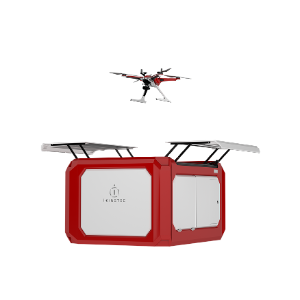
Orca · Tiger's Den Fully Autonomous Drones Inspection System
Self-developed by iKingtec Intelligence, the drone features biomimetic and aerodynamic design. It operates en-tirely without manual control throughout its missions, adapting...
View product details →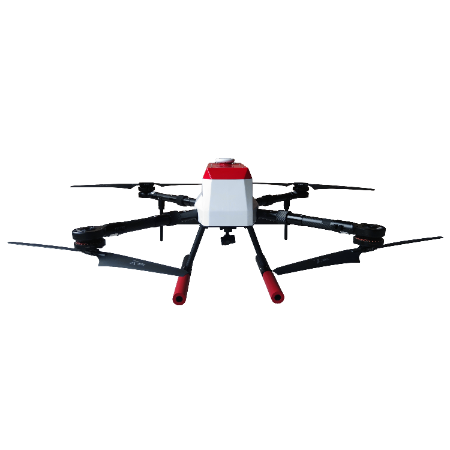
XQ10E/Electric Quadcopter
The XH10E drone platform is a long endurance pure electric quadcopter drone platform independently developed by our company with universal mounting capability. This platform can...
View product details →
Agricultural Drone
Long flight endurance, full load endurance is 2 times more than similar electric drones; High positioning accuracy, equipped with RTK positioning system, the highest...
View product details →Frequently asked questions
Can the Saint · Lotus inspection system fly without a pilot on site?
Yes. According to the product listing, the Saint · Lotus operates entirely without manual control throughout its missions, adapting flexibly to a wide range of scenarios. For unattended operation, it is designed to work in tandem with the Tiger Den Fully Autonomous Docking Station, which serves as the power hub for the Orca Industrial Drone. Confirm operational details with the datasheet before deployment.
What infrastructure assets can these drones inspect?
The listings describe the IKINGTEC systems as industrial inspection platforms that adapt to a wide range of scenarios, and the XQ10E as supporting aerial video data collection, real-time transmission, and 3D mapping. Specific asset types and compatible inspection sensors are not detailed in the listings - contact us for the datasheet to match a platform to your asset class.
Do I need to buy the docking station separately?
The Saint · Lotus drone and the Tiger Den Fully Autonomous Docking Station are described as working in tandem to achieve fully automated, unattended inspection processes. If your goal is unattended operation, plan for the dock as part of the system. Confirm packaging, pricing, and compatibility directly with the supplier, as commercial details are not published in the listing.
Which platform is better for varied missions beyond inspection?
The XQ10E Electric Quadcopter is built as a multi-mission platform with universal mounting capability, supporting tasks such as aerial video collection and real-time transmission, 3D mapping, emergency rescue, and environmental monitoring. If your program mixes inspection with other aerial work, a multi-mission quadcopter may fit better than a dedicated autonomous inspection system.
What specifications should I verify before purchasing?
The marketplace listings summarize design and capability but do not publish flight endurance, range, payload capacity, weather ratings, or certifications. Request the datasheet from the supplier for each shortlisted platform, and ask about training, warranty, spare parts, and in-region service support, especially if you are procuring for operations in Latin America.
Need help selecting the right system?
Tell us your mission, payload, and operating environment. Our team will help you compare options and request the right datasheets from verified suppliers.