Drones for energy and utilities give inspection and operations teams a way to survey transmission corridors, generation sites, and distribution assets without putting personnel on towers, ladders, or live equipment. For procurement teams in North America, the practical question is not whether UAVs fit the workflow, but which platform class, payload setup, and operating model match your asset base and regulatory environment. This guide walks through the typical workflow, integration considerations, operating constraints, training needs, and the procurement questions that separate a workable program from an expensive pilot.
Where Drones Fit in Energy and Utility Operations
Utility asset portfolios are geographically dispersed and inspection-intensive. Aerial platforms reduce the need for climbing crews on structures and allow teams to document asset condition repeatedly over time. Common application areas include:
- Transmission and distribution corridor surveys, where imagery supports defect identification and vegetation encroachment awareness.
- Generation and substation site monitoring, where periodic aerial documentation complements ground-based maintenance rounds.
- Post-storm and post-incident reconnaissance, giving operations centers a fast visual picture before crews are dispatched.
- Persistent site overwatch during high-risk work, where a hovering platform provides continuous visual coverage.
The category covers more than a single airframe type. Multi-rotor platforms handle most routine inspection and mapping flights. Tethered UAVs address a different need: sustained hover for continuous coverage. The M8FD-T tethered UAV, for example, is described by its manufacturer as offering stable hovering with 24-hour battery life, large load capacity, flexible mounting, and safety control, which suits scenarios where a fixed overhead viewpoint matters more than range. The M30C multi-rotor UAV is positioned for strong power, abundant task load, remote control, intelligent computing power with anti-interference, and multi-redundant safety design. For detailed payload, endurance, and link specifications for any of these platforms, contact us for the datasheet.
The Operational Workflow, End to End
A mature utility drone program follows a repeatable cycle rather than ad hoc flights. Most programs converge on five stages:
- Plan: define the asset list, flight areas, and data deliverables for each cycle, and confirm airspace and site-access requirements.
- Prepare: verify aircraft, batteries, payloads, and control links; brief the crew; set failsafe and return behaviors appropriate to the site.
- Fly: execute the flight plan with a pilot and, in most enterprise settings, a visual observer managing airspace and bystander separation.
- Process: transfer imagery and flight logs into the inspection or asset-management system so findings become work orders, not isolated files.
- Review: track defect trends across cycles and adjust flight frequency and routes based on what the data shows.
The platforms you buy should support this cycle, not just the flight stage. When evaluating a flight platform such as the Matrice 350 RTK, the manufacturer describes it as a flagship upgrade with a new image transmission system and control experience, a more efficient battery system, comprehensive safety guarantees, and strong load and expansion capabilities for aerial operations. Those characteristics map directly to workflow needs: transmission and control quality affect how reliably a crew can work at distance, battery efficiency affects how much area a crew covers per shift, and expansion capability determines whether the same airframe can carry different payloads as program requirements evolve.
Integration with Enterprise Systems
Procurement teams frequently underestimate integration effort. A drone that flies well but does not connect to your data environment creates manual work that erodes the efficiency the program was meant to deliver. Before committing to a platform, confirm:
- How imagery and flight logs export, and whether the format is compatible with your inspection management or GIS environment.
- How the flight platform integrates with your ground control and communication infrastructure, including any link requirements at your typical operating distances.
- Whether RTK-level positioning is available and how it is provisioned, since precise positioning matters for repeatable inspection routes and accurate asset geolocation.
- What payload options the platform supports, and whether those payloads require separate sourcing, calibration, or maintenance agreements.
The Matrice 350 RTK's positioning in the industry segment rests on its load and expansion capabilities, which is the practical reason enterprises select it as a base platform for multiple payload configurations. Verify the specific payload compatibility list and interface details against your planned sensors; for current documentation, contact us for the datasheet.
Operating Constraints to Define Before Purchase
Energy and utility operations in North America are shaped by regulatory and site-specific constraints. Requirements differ by jurisdiction, airspace class, and operation type, and rules continue to evolve. Rather than treating compliance as an afterthought, build it into platform selection:
- Confirm which operations your team is authorized to conduct today and which require additional approvals, and check current requirements with the relevant aviation regulator before committing to flight profiles.
- Map your actual operating environment: corridor lengths, obstacle density, proximity to populated areas, and electromagnetic environments near energized infrastructure all affect platform and link selection.
- Define weather and environmental limits for your fleet based on the manufacturer's published specifications, and document them in your operating procedures.
- Establish battery management and logistics for crews working across dispersed sites, since battery systems and turnaround times directly determine daily coverage.
For platforms described with multi-redundant safety design, such as the M30C, ask the vendor to explain the redundancy architecture in concrete terms relevant to your mission profiles, particularly if you plan to operate near critical infrastructure or in areas where an unplanned landing creates cost or risk.
Training and Crew Readiness
Enterprise drone programs succeed or fail on crew competence. Procurement should budget for three training layers. First, pilot certification and licensing appropriate to your jurisdiction and operation type; verify current requirements with your regulator. Second, platform-specific training from the vendor or an authorized provider, covering the flight platform's control experience, safety systems, battery handling, and maintenance basics. Third, mission training internal to your organization: route planning on real assets, data capture standards, and coordination with field crews and operations centers.
Ask prospective vendors what training they include with fleet purchases, what refresher options exist, and how software or firmware updates are delivered and documented. A platform is only as useful as the crew's ability to operate and maintain it through its service life.
Procurement Questions That Matter
Use a consistent question set across vendors so comparisons rest on documented facts rather than sales language. Recommended questions include:
- What are the published endurance, load capacity, and transmission range figures for the configuration we intend to buy?
- What safety systems are included, and how are they documented and tested?
- What is the expansion path for payloads and accessories, and what is the lead time for spares and batteries?
- What warranty, maintenance, and support terms apply in our region?
- Can the vendor provide documentation suitable for our compliance and audit processes?
| Attribute | Matrice 350 RTK | M8FD-T Tethered UAV | M30C Multi-rotor UAV |
|---|---|---|---|
| Manufacturer | Dinuo (Shandong) Aviation Development Group Co., Ltd. | Beijing TT Aviation Technology Co., Ltd. | Beijing TT Aviation Technology Co., Ltd. |
| Positioning | Flagship flight platform with new image transmission, control experience, and efficient battery system | Stable hovering with 24-hour battery life, large load, flexible mounting | Strong power, abundant task load, multi-redundant safety design |
| Best-fit mission profile | General inspection and mapping with payload expansion | Persistent overhead coverage at a fixed location | Task-load-intensive missions requiring redundant safety design |
| Category | Drones | Drones | Drones |
This table summarizes only what manufacturers state in their supplied descriptions. For numeric specifications such as exact endurance figures, payload limits, or transmission ranges, contact us for the datasheet on each platform before finalizing a shortlist.
Matching Platform Class to Mission Profile
The most common procurement mistake in energy and utility programs is buying one platform type for every mission. A tethered UAV that hovers for extended periods is not interchangeable with a free-flying multi-rotor, and neither substitutes for a platform selected for long-range inspection work. Map your annual mission mix first: the share of corridor inspection flights, the share of fixed-point monitoring tasks, and the share of rapid-response reconnaissance. Then match platform classes to those shares and size the fleet accordingly. A mixed fleet built around a capable, expandable flight platform such as the Matrice 350 RTK, supplemented where needed by tethered or specialized airframes, gives procurement teams flexibility without multiplying training and maintenance overheads.

Featured product
Matrice 350 RTK
Flagship upgrade, new heights in the industry. The new image transmission system and control experience, more efficient battery system, comprehensive safety guarantee, as well as strong load and expansion capabilities, make the new generation of flight platform Matrice 350 RTK fully loaded, injecting innovative power...
Products mentioned in this guide
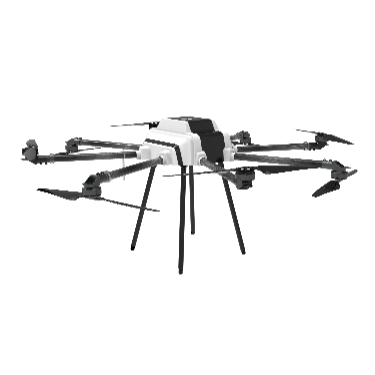
M8FD-T tethered UAV
Stable hovering 24h battery life, large load, flexible mounting, and safety control
View product details →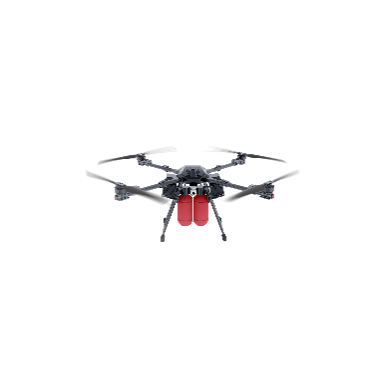
M30C multi-rotor UAV
Strong power, abundant task load, remote control, intelligent computing power anti-interference, and multi-redundant safety design
View product details →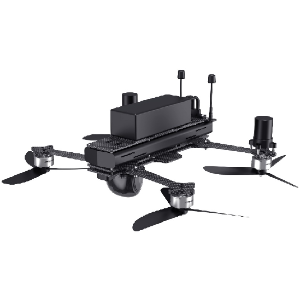
F01 Acrobatic Multi-rotor UAV
The system features fully autonomous takeoff/landing, precision waypoint navigation, long-range communication, real-time image transmission, and high-accuracy...
View product details →Frequently asked questions
What are drones used for in the energy and utilities industry?
Typical uses include transmission and distribution corridor surveys, generation and substation site monitoring, post-storm reconnaissance, and persistent site overwatch during high-risk work. Platforms are selected based on whether the mission needs mobile inspection, fixed-point persistent coverage, or rapid visual assessment.
Should we buy a multi-rotor or a tethered UAV for utility inspection?
It depends on the mission profile. Multi-rotor platforms such as the Matrice 350 RTK and the M30C support mobile inspection and mapping flights. Tethered UAVs such as the M8FD-T, which is described as offering stable hovering with 24-hour battery life, suit scenarios requiring continuous overhead coverage from a fixed position. Review the datasheets for each platform to match endurance and load characteristics to your missions.
What should we verify about a flight platform before purchasing?
Request the manufacturer datasheet for published endurance, load capacity, transmission range, and safety-system details. For the Matrice 350 RTK, the manufacturer highlights a new image transmission system, a more efficient battery system, comprehensive safety guarantees, and strong load and expansion capabilities; confirm the exact figures and payload compatibility list for the configuration you intend to buy.
How should a utility prepare crews for enterprise drone operations?
Budget for three layers: regulatory pilot certification appropriate to your jurisdiction, platform-specific training from the vendor or an authorized provider, and internal mission training covering route planning, data capture standards, and coordination with field crews. Ask vendors what training is included with fleet purchases and what refresher options exist.
Do drone programs in North America face special regulatory requirements?
Requirements differ by jurisdiction, airspace class, and operation type, and rules continue to evolve. Confirm which operations your team is authorized to conduct and which need additional approvals by checking current requirements with the relevant aviation regulator before committing to specific flight profiles.
Need help selecting the right system?
Tell us your mission, payload, and operating environment. Our team will help you compare options and request the right datasheets from verified suppliers.