Drones for B2B environmental monitoring buyers raise a specific set of procurement questions: which platforms fit which monitoring tasks, how the equipment integrates with existing field operations, what documentation suppliers must provide, and how to compare vendors without relying on marketing claims. This FAQ-style guide answers those questions directly, using the Tangshan Xiaohai X8 tethered illumination drone as a working example of how to evaluate a product against a defined operational need.
What do drones actually do in environmental monitoring programs?
In environmental monitoring, drones are task-specific tools rather than general-purpose platforms. Procurement teams should map each requirement to a platform category before comparing models. Common roles include:
- Aerial photogrammetry and remote sensing for terrain, vegetation, and site-change monitoring — the Feima V1 intelligent aerial photogrammetry, remote sensing, emergency, inspection and communication command system is positioned for these workflows.
- Solar farm maintenance, where photovoltaic cleaning drones such as the Yuequn YQ60 clean panel surfaces to sustain energy output at photovoltaic power stations.
- Building and infrastructure inspection support, where facade and window cleaning drones reduce high-altitude manual work on structures that house monitoring equipment.
- Night operations and disaster response, where sustained overhead lighting is required for teams working after dark — this is the role of tethered illumination drones.
The main product in this category, the tethered illumination drones X8 from Tangshan Xiaohai Intelligent Technology Co., Ltd, illustrates the point: it is not a sensor platform but a lighting platform, designed to hold a light source aloft for extended periods during night-time emergency lighting, disaster relief, and engineering construction work. Its stated capabilities are a lighting range of 5,000–8,000 square meters and continuous lighting capability of over 12 hours, with 30-meter and 50-meter tethered configurations offered.
When is a tethered illumination drone the right procurement choice?
Environmental monitoring teams often work at night or during emergencies: spill response after dark, flood assessment, nighttime site containment, or fieldwork at remote sites without fixed lighting infrastructure. In these scenarios, battery-limited free-flying drones face a fundamental constraint — flight endurance. A tethered platform draws power through the tether, which is why the X8 can advertise continuous lighting over 12 hours rather than the tens of minutes typical of battery flight.
A tethered illumination drone is a strong candidate when your team needs a stable, elevated light source over a fixed work area for many hours. It is not the right tool when the mission requires the platform to travel long distances or carry imaging sensors; for those missions, look at survey and inspection categories instead. Match the platform to the mission, not the other way around.
What specifications should procurement teams verify before buying?
Only specifications the supplier documents should enter your comparison. For the X8, the published figures are the lighting coverage range (5,000–8,000 square meters), continuous lighting duration (over 12 hours), and tether height options (30-meter and 50-meter models). Other details a buyer would normally need — power consumption, tether cable specifications, control system details, wind tolerance, transport weight, and spare parts availability — are not included in the supplied product data, so contact us for the datasheet.
| Attribute | Tethered illumination drone (X8) | Photogrammetry/remote sensing system (Feima V1) |
|---|---|---|
| Primary role | Sustained overhead lighting at night | Aerial photogrammetry, remote sensing, inspection, communication command |
| Documented capability | 5,000–8,000 m² lighting range; 12+ hours continuous lighting | System-level capabilities per supplier description; contact us for the datasheet |
| Configuration | 30 m and 50 m tethered models | Integrated command system; contact us for the datasheet |
| Stated applications | Night emergency lighting, disaster relief, engineering construction lighting | Photogrammetry, remote sensing, emergency, inspection, communication command |
Use tables like this to structure supplier conversations, but treat every cell as a claim to be verified. Ask each vendor to confirm figures in a formal datasheet and to state explicitly which figures are measured versus nominal.
How should integration with existing operations be assessed?
Integration questions are where many B2B drone purchases stall. Before contracting, put these questions to the supplier in writing:
- Power and setup: What ground power or generator supply does the tethered system require, and what is the deployment procedure for the 30-meter versus 50-meter configuration? The supplied data does not specify — contact us for the datasheet.
- Crew and training: What operator training does the supplier provide, and what crew size does a night deployment require?
- Compatibility with monitoring workflows: Can the illumination platform operate alongside survey drones during the same night operation, for example illuminating a site while a photogrammetry system collects data? Suppliers should confirm operational compatibility rather than buyers assuming it.
- Logistics: How is the system transported between monitoring sites, and what maintenance intervals does the manufacturer recommend? These details are not in the supplied data; contact us for the datasheet.
A supplier who answers these questions promptly and in detail is demonstrating the support quality you will rely on after delivery. A supplier who cannot is giving you a signal about the relationship, not just the product.
What compliance documentation should European buyers request?
For operations in Europe, drone procurement is shaped by the EU regulatory framework, including operator registration and category requirements under EASA rules. Buyers should ask every shortlisted supplier for: declaration of conformity documentation for the airframe, operating manuals, maintenance documentation, and any available test or performance records supporting published figures such as the X8's 12-hour endurance claim. The supplied product data does not include certification details, so contact us for the datasheet and request current conformity paperwork directly from the manufacturer. Note that tethered operation may be treated differently from free-flight under some frameworks, which can simplify certain approval pathways — but verify the current requirements for your specific operating area and mission with your national aviation authority rather than relying on supplier assertions.
How do you evaluate and compare drone suppliers as a B2B buyer?
A structured supplier evaluation protects your budget and your operational timeline. We recommend scoring vendors across five dimensions:
- Documentation quality: complete datasheets, manuals, and conformity paperwork available without chasing.
- Specification transparency: clear distinction between measured performance and nominal figures; willingness to state limits.
- Product fit: a focused product line that matches your mission. Tangshan Xiaohai's stated commitment to tethered illumination drones as its core product line is an example of specialization a buyer can examine.
- After-sales structure: defined channels for spare parts, repairs, and technical support — critical for night-response equipment that must be mission-ready.
- References and track record: documented deployments in comparable conditions, particularly night operations or disaster relief if that is your use case.
Avoid suppliers who lead with superlatives instead of specifications. The most useful vendor conversations are the ones where the supplier says what the product does not do.
Building a mixed fleet: matching platforms to monitoring tasks
Most environmental monitoring programs end up with a mixed fleet rather than a single platform. A practical combination pairs data-collection platforms with support platforms: a photogrammetry and remote sensing system such as the Feima V1 for survey missions, a photovoltaic cleaning drone like the Yuequn YQ60 for solar asset maintenance (with a documented single-cleaning area of roughly 200–500 square meters and 60 L of water for 5–6 minutes of continuous cleaning), and a tethered illumination drone such as the X8 for night operations. Procurement teams should sequence purchases by mission criticality: if night response is a regulatory or safety obligation for your program, lighting capability is not optional equipment — it is core infrastructure.

Featured product
tethered illumination drones
Tangshan Xiaohai Intelligent Technology Co., Ltd. is committed to the research and development, production, and sales of tethered illumination drones. Its main products include 30 meter tethered illumination drones and 50 meter tethered illumination drones. The Xiaohai tethered illumination drone can provide a...
Products mentioned in this guide

Photovoltaic Cleaning Drone
Yuequn Y60 photovoltaic cleaning drone is a large quad-rotor drone designed and produced by our company according to the requirements of photovoltaic cleaning. It is mainly used...
View product details →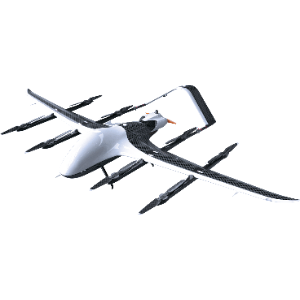
V1 Feima Intelligent Aerial Photogrammetry, Remote Sensing,Emergency, Inspection and Communication Command System
V1 Feima Intelligent Aerial Photogrammetry, Remote Sensing,Emergency, Inspection and Communication Command System
View product details →
Facade Wall / Window Cleaning Drone
Exterior wall cleaning drone is an intelligent solution that uses drone technology to replace traditional manual high-altitude operations. It is suitable for cleaning high-rise...
View product details →Frequently asked questions
What is the X8 tethered illumination drone used for?
The Tangshan Xiaohai X8 provides sustained overhead lighting for night operations. Its stated applications are night emergency lighting, disaster relief, and engineering construction lighting, with a lighting range of 5,000–8,000 square meters and continuous lighting capability of over 12 hours. For environmental monitoring teams, it is relevant wherever fieldwork or emergency response continues after dark without fixed lighting infrastructure.
What is the difference between the 30-meter and 50-meter models?
Both are tethered illumination drones from Tangshan Xiaohai Intelligent Technology Co., Ltd; the difference is the tether height configuration. The supplied data does not detail how the two configurations differ in deployment, power, or coverage, so contact us for the datasheet to compare them for your site conditions.
Can tethered illumination drones be used in Europe?
European operations fall under EASA and national aviation authority rules. The supplied product data does not include certification or conformity documentation, so contact us for the datasheet and request current conformity paperwork from the manufacturer. Confirm the regulatory treatment of tethered operations with your national authority before committing to a purchase.
How does a tethered drone compare to a battery-powered drone for long missions?
A tethered platform draws power through its tether, which supports the X8's stated continuous lighting capability of over 12 hours. Battery-powered drones are limited by battery endurance and are typically chosen for mobility and sensor payloads rather than fixed-position endurance. Choose based on whether your mission requires sustained presence over a fixed area or mobility across a site.
What documentation should I request before purchasing?
Request a full datasheet, operating and maintenance manuals, conformity or certification documentation relevant to your operating region, and performance records supporting published figures such as lighting coverage and endurance. For the X8, the published figures cover lighting range (5,000–8,000 m²), continuous lighting (over 12 hours), and tether heights (30 m and 50 m); all other specifications are available on request — contact us for the datasheet.
Need help selecting the right system?
Tell us your mission, payload, and operating environment. Our team will help you compare options and request the right datasheets from verified suppliers.