A system platform is the software layer that coordinates drones, personnel, missions, and compliance into one operational workflow, and choosing one in 2026 means matching the platform's core function - insurance services, command and dispatch, or low-altitude operations management - to your organisation's primary mission. For training and education providers, the right platform is the one that lets students and operators practise genuine enterprise workflows, not just fly simulators. This guide explains the selection criteria, the trade-offs between platform types, the integration questions to ask vendors, and a procurement checklist you can apply before signing any contract.
What System Platforms Actually Do - and Why the Category Is Broad
"System Platforms" covers software products that sit above the aircraft and orchestrate activity across fleets, teams, and external partners. In practice the category splits into three functional groups, each represented by products available on SkyDrone Max:
- Insurance and risk services platforms - exemplified by the Fei Bao Drone Insurance Platform, which focuses on insurance product design, underwriting, and claims settlement for unmanned systems.
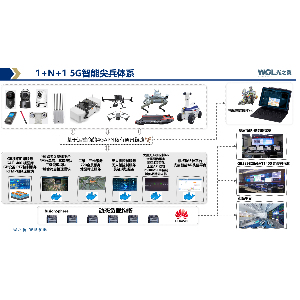
- Command and dispatch platforms - exemplified by the SRT-Platform (model WOL-SRT) from Suzhou WOL Intelligent Technology, a multi-equipment integration and flat command and dispatch platform for grassroots police station combat units.
- Low-altitude operations and airspace management platforms - exemplified by the New AirSafety Low-altitude Digital Intelligence Platform and the Low-Altitude Digital Operations Service Platform from Hunan Air Next Technology, which handle fleet coordination, flight route planning, task scheduling, and digital twin data fusion.
The trade-off is scope versus depth. An insurance platform solves one commercial problem thoroughly; an operations platform coordinates many workflows but may not address commercial services at all. A training organisation that will teach risk management and compliance needs exposure to both, which is why some academies license two complementary platforms rather than searching for a single product that does everything.
Selection Criteria for Training and Education Programmes
When the platform itself is part of the curriculum, evaluation criteria shift from end-user ergonomics to teaching value. Use the following criteria as a baseline:
- Workflow realism: does the platform reflect processes students will encounter in employment? The New AirSafety platform, for example, covers equipment management, organisational personnel management, flight route planning, flight task scheduling, and intelligent business data - a full operational lifecycle that maps naturally onto course modules.
- Multi-stakeholder visibility: platforms built around ecosystem collaboration, such as the Fei Bao platform's model connecting unmanned system enterprises, industrial users, and insurance companies, teach students how commercial UAV ecosystems function beyond the flight line.
- Data and analytics exposure: capabilities like AI data analysis and digital twin synchronisation give learners hands-on experience with the data skills employers now expect.
- Vertical relevance: some platforms are deeply customised for specific sectors - New AirSafety targets public security traffic police and large transportation, while the SRT-Platform is built for police station combat units. Match the vertical to your graduates' destination industries.
- Compliance instruction: the Low-Altitude Digital Operations Service Platform includes automated regulatory compliance controls, which is directly teachable content for programmes covering European U-space and operational authorisation topics.
Ask each vendor for the datasheet on any capability you intend to teach - contact us for the datasheet where published specifications are not listed, and verify that classroom use cases are supported before purchase.
Comparing the Platform Types
The table below summarises the four example platforms using only information available in their product descriptions. It is intended to show the spread of options in the category, not to rank them - no performance data is available here to support a ranking.
| Attribute | Fei Bao Drone Insurance Platform | SRT-Platform (WOL-SRT) | New AirSafety Platform | Low-Altitude Digital Operations Service Platform |
|---|---|---|---|---|
| Vendor | ZACF Techonology Beijing Co. Ltd | Suzhou WOL Intelligent Technology CO.,Ltd | New AirSafety | Hunan Air Next Technology Co., Ltd |
| Primary function | Insurance product design, underwriting, claims settlement for unmanned systems | Multi-equipment integration and flat command and dispatch | Low-altitude drone industry applications ecosystem | UAV fleet coordination, smart airspace management, real-time data fusion |
| Key capabilities | Precise demand matching, dynamic risk assessment, end-to-end service integration | Integration and dispatch for grassroots police station combat units | Equipment and personnel management, route planning, task scheduling, AI data analysis, multi-departmental collaboration | Digital twin synchronisation, automated regulatory compliance controls |
| Target vertical | Unmanned systems enterprises, industrial users, insurance companies | Public security / police stations | Public security traffic police and large transportation | Urban air mobility ecosystems |
| Backing and ecosystem | Supported by the Shenzhen UAV Industry Association; partners include Zhong'an Unmanned Systems Research Institute and Zhong'an Congfeng Technology Co., Ltd. | Not stated in listing - contact us for the datasheet | Independently developed platform | Not stated in listing - contact us for the datasheet |
Integration Questions to Ask Every Vendor
Integration failures are the most common cause of stalled platform deployments. Before shortlisting, put these questions to each vendor and record the answers in writing:
- Which aircraft, ground control systems, and third-party software does the platform integrate with, and are connectors included or priced separately? Contact us for the datasheet if integration lists are not published.
- How does the platform ingest and export data? For teaching purposes, the ability to work with realistic datasets - such as the flight and business data handled by the New AirSafety platform - matters as much as live connectivity.
- Does the platform support multi-departmental or multi-organisation collaboration? The New AirSafety platform explicitly advertises multi-departmental collaboration, and the Fei Bao platform connects enterprises, users, and insurers - both are relevant if your programme simulates cross-organisational operations.
- What deployment model is offered (cloud, on-premise, or hybrid), and what are the hosting requirements? This is not stated in the listings above; confirm directly with the vendor.
- How are software updates, API changes, and version compatibility handled over the contract term?
Considerations for European Buyers
The platforms listed above originate from Chinese vendors, and several are closely tied to Chinese institutional and regulatory contexts - the Fei Bao platform, for instance, is supported by the Shenzhen UAV Industry Association, and the SRT-Platform is designed around grassroots police station structures. European training providers should therefore clarify three things before purchase: whether the platform's workflows can be configured for European regulatory frameworks rather than only the vendor's home market; what data residency and data protection arrangements apply; and what local language support and regional service coverage are available. None of these points are addressed in the published descriptions, so request written confirmation from each vendor - contact us for the datasheet and vendor documentation where needed. Where a platform advertises automated regulatory compliance controls, as the Low-Altitude Digital Operations Service Platform does, ask specifically which regulatory regimes those controls cover.
Procurement Checklist
Use this checklist to structure your evaluation and contract negotiation:
- Define the primary use case first - insurance services education, dispatch and command training, or full low-altitude operations management - and reject platforms whose core function does not match it.
- Request the full datasheet for every capability you intend to teach or deploy; do not rely on marketing summaries.
- Confirm licensing model, user counts, and whether training seats or educational licences are available.
- Verify integration requirements against your existing fleet, simulators, and student information systems.
- For European deployment, obtain written answers on regulatory configurability, data residency, and regional support.
- Check the vendor's institutional backing and partner network - the Fei Bao platform's association support and research institute partnerships are examples of ecosystem signals worth verifying, not taking at face value.
- Agree acceptance criteria tied to the workflows you need - route planning, task scheduling, claims workflows, or dispatch - before contract signature.
- Plan a pilot phase with a defined cohort of students or operators before committing to a multi-year licence.
Matching a Platform to Your Programme
If your curriculum centres on commercial risk, compliance, and the business side of unmanned systems, an insurance services platform such as the Fei Bao Drone Insurance Platform gives students direct exposure to underwriting logic, dynamic risk assessment, and claims settlement workflows. If your graduates are heading into public safety or emergency services, the SRT-Platform and the New AirSafety platform reflect the command, dispatch, and multi-departmental coordination realities of those sectors. If your focus is urban air mobility and airspace operations, the Low-Altitude Digital Operations Service Platform's combination of fleet coordination, digital twin synchronisation, and automated compliance controls aligns with that teaching area. Many training organisations will find that pairing one operations platform with one commercial-services platform covers the full span of modern UAV careers - and that combination, rather than any single product, is the practical answer to the 2026 platform question.

Featured product
Fei Bao Drone Insurance Platform
Supported by the Shenzhen UAV Industry Association, the Feibao Unmanned Systems Insurance Platform collaborates with two major institutions - the Zhong'an Unmanned Systems Research Institute and Zhong'an Congfeng Technology Co., Ltd. - to focus on insurance product design, underwriting, and claims settlement services...
Products mentioned in this guide
SRT-Platform
A multi-equipment integration and flat command and dispatch platform for grassroots police station combat units.
View product details →
New AirSafety Low-altitude Digital Intelligence Platform
Independently developed the "Xin Kong An Low-altitude Digital Intelligence Platform", building an ecosystem for drone industry applications, achieving full process coverage from...
View product details →
Low-Altitude Digital Operations Service Platform
An integrated system enabling UAV fleet coordination, smart airspace management, and real-time data fusion through digital twin synchronization. Delivers end-to-end...
View product details →Frequently asked questions
What is a UAV system platform, and how is it different from flight control software?
A system platform is the orchestration layer above the aircraft: it coordinates fleets, personnel, missions, data, and external services. Flight control software runs on or near the aircraft itself. The products in this guide - an insurance services platform, a police dispatch platform, and two low-altitude operations platforms - all operate at the orchestration level rather than controlling individual aircraft.
Is the Fei Bao Drone Insurance Platform suitable for training and education use?
The platform's published description focuses on insurance product design, underwriting, and claims settlement for unmanned systems, built around precise demand matching, dynamic risk assessment, and end-to-end service integration. Those workflows are directly relevant to teaching commercial risk and compliance in UAV programmes. Whether an educational licence or training deployment is available is not stated in the listing - contact us for the datasheet and licensing options.
Which platform should a European training organisation choose?
It depends on your curriculum focus: insurance and risk education points toward the Fei Bao platform, public safety dispatch toward the SRT-Platform or New AirSafety platform, and urban air mobility operations toward the Low-Altitude Digital Operations Service Platform. For European deployment, confirm with each vendor how the platform handles European regulatory frameworks, data residency, and regional support, since these details are not covered in the published product descriptions.
Do these platforms integrate with existing drone fleets and simulators?
Integration capabilities vary by product and are not fully documented in the listings. The SRT-Platform is described as a multi-equipment integration platform, and the Low-Altitude Digital Operations Service Platform performs real-time data fusion through digital twin synchronisation, but specific supported aircraft and simulator lists are not published. Request the datasheet from each vendor and verify compatibility with your existing equipment before purchase.
What should be in the contract before we sign?
At minimum: the full datasheet and capability list, the licensing model and user counts, integration and data-handling terms, deployment model, update and support commitments, and acceptance criteria tied to the specific workflows you need - such as route planning, task scheduling, or claims workflows. For European buyers, add written confirmation on regulatory configurability and data residency. A pilot phase with a defined success measure is strongly recommended before a multi-year commitment.
Need help selecting the right system?
Tell us your mission, payload, and operating environment. Our team will help you compare options and request the right datasheets from verified suppliers.