A drone hangar (or UAV dock) is an automated base station that shelters, powers, and launches drones without manual intervention. For security and counter-UAS procurement teams, the core question is usually which class of hangar fits the mission: a fixed automated dock for persistent site coverage, or a vehicle-mounted system that can be driven to where the threat or incident is. This FAQ article answers the questions European B2B buyers most often ask when evaluating drone hangars, using the WX20 Vehicle-mounted Tethered Multi-rotor UAV System from Huahang High-Tech as a worked example.
What is a drone hangar, and how is it used in security operations?
A drone hangar is a protective, powered enclosure that keeps a UAV ready for launch, manages charging or power delivery, and often automates takeoff, landing, and data return. In security and counter-UAS contexts, hangars enable rapid aerial response to perimeter breaches, crowd monitoring, and persistent overwatch without a pilot standing on-site.
The main classes available on SkyDrone Max illustrate the range:
- Vehicle-mounted tethered systems, such as the WX20, which combine mobility with long endurance from a ground power link.
- Vehicle-mounted docks for large UAVs, such as the FliveXport-V from Wuhan Feiliu, which adds features like high-altitude broadcasting to disperse crowds, emergency force guidance, and emergency supply dropping.
- Automated battery-swapping docks, such as the M4 Dock, engineered for high-frequency operations with a 120-second ultra-fast battery swap and four built-in battery bays for the DJI M4 Enterprise.
- Compact nests for small industry UAVs, such as the YX dock, weighing ≤35kg and compatible with the DJI Mavic 3, offering automatic charging, temperature control, and environmental perception monitoring.
Which specifications matter most when evaluating a drone hangar?
Procurement teams should prioritise the specifications that determine mission availability rather than headline numbers. For a vehicle-mounted tethered system like the WX20, the key figures are:
| Attribute | WX20 (Huahang High-Tech) |
|---|---|
| Flight endurance | ≥10h |
| Deployment/retraction time | ≤18min |
| Power supply | 380V/220V AC, silent diesel generator |
| Vehicle dimensions (folded/deployed) | ≤5610×2000×2600mm / ≤5610×4000×2600mm |
| Weight / chassis load capacity | ≤3000kg / ≥3500kg |
| Max towing speed | ≥60km/h |
| Ground clearance | 250mm |
| Braking system | Inertia braking |
Endurance and power architecture are the decisive pair for security missions. The WX20's tethered design draws power from an onboard silent diesel generator supplying 380V/220V AC, which supports ≥10 hours of flight — a profile suited to extended perimeter or event overwatch. For high-frequency, short-sortie operations instead, a battery-swapping dock such as the M4 Dock may be the better fit. Payload capacity, sensor compatibility, and weather ratings for any specific configuration: contact us for the datasheet.
How does deployment and mobility affect response times?
In counter-UAS and incident response, minutes matter. Fixed docks launch quickly but only from their installed location; vehicle-mounted systems travel with the response team. The WX20 specifies deployment and retraction in ≤18 minutes and a maximum towing speed of ≥60km/h, meaning a unit can be positioned at a site and airborne within a predictable window. Folded dimensions of ≤5610×2000×2600mm also determine whether the system fits standard transport routes and storage. When comparing suppliers, ask for measured deployment times under realistic conditions, not just the specification sheet.
How do I match a hangar to my UAV fleet and payloads?
Compatibility is a frequent cause of failed procurement. Check three things before shortlisting: the exact UAV models the dock supports, the payload interfaces available, and the power and data connections required. The YX dock, for example, explicitly lists compatibility with the DJI Mavic 3 and other small industry-level UAVs, while the M4 Dock is tailored to the DJI M4 Enterprise. The WX20 is supplied as an integrated vehicle-mounted tethered multi-rotor system, so the airframe and hangar are matched by the manufacturer. For payload-specific integration — cameras, loudspeakers, or counter-UAS sensors — contact us for the datasheet for each candidate system.
What support, installation, and compliance documentation should I request?
European buyers should treat documentation as a selection criterion in its own right. Before committing, request:
- Full technical datasheets, including electrical requirements (e.g., 380V/220V AC for the WX20) and site or vehicle preparation needs.
- Installation and commissioning scope, plus training for operators and maintenance staff.
- Spare parts availability and lead times for generator, tether, and dock components.
- Any certifications or conformity documentation the manufacturer holds for your target market; where certificates are not published in the product data, ask the supplier directly rather than assuming.
- Warranty terms and remote support arrangements.
SkyDrone Max lists supplier contact details for each product, so these requests can be routed to the manufacturer — Huahang High-Tech (Beijing) Technology Co., Ltd. for the WX20 — before you commit budget.
How should procurement teams evaluate drone hangar suppliers?
A structured evaluation prevents costly mismatches. We recommend scoring each supplier against: proven use in security or counter-UAS deployments (ask for reference cases), transparency of specifications, integration support for your existing command-and-control systems, service network in your region, and total cost of ownership including power, maintenance, and transport. Where a supplier claims capabilities that are not in the published data — endurance figures beyond the datasheet, or certifications not listed — treat that as a question to resolve in writing, not a selling point. Comparing a tethered vehicle-mounted system like the WX20 against an automated dock like the M4 Dock only makes sense once you have fixed the mission profile: persistent long-duration overwatch versus high-frequency automated sorties.

Featured product
WX20 Vehicle-mounted Tethered Multi-rotor UAV System
**System Performance** - **Vehicle Dimensions**: ≤5610×2000×2600mm (folded) / ≤5610×4000×2600mm (deployed) - **Weight**: ≤3000kg - **Chassis Load Capacity**: ≥3500kg - **Max Towing Speed**: ≥60km/h - **Generator**: Silent diesel generator - **Power Supply**: 380V/220V AC - **Flight Endurance**: ≥10h -...
Products mentioned in this guide

FliveXport-V
FliveXport-V DOCK is a vehicle-mounted nest device adapted to large UAVs, which has undergone four generations of upgrades It is equipped with a constant temperature and humidity...
View product details →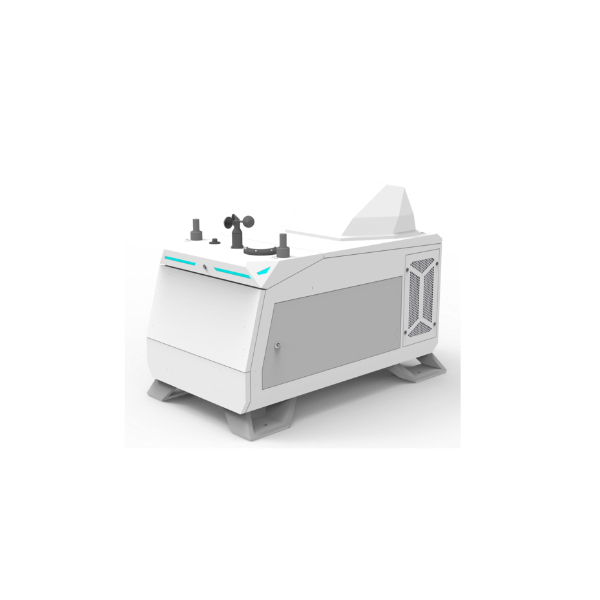
M4 Dock
A lightweight, battery-swapping automated drone dock engineered for high-frequency operations, specifically tailored for the DJI M4 Enterprise. 120-Second Ultra-Fast Battery Swap...
View product details →
unmanned aerial vehicle (UAV) dock
Weight: ≤ 35kg Compatible models: DJI Mavic 3 and other small industry level unmanned aerial vehicles Functional features: remote control, automatic charging, automatic...
View product details →Frequently asked questions
What is the difference between a tethered vehicle-mounted system and an automated dock?
A tethered vehicle-mounted system such as the WX20 travels with your response team and draws continuous power from an onboard silent diesel generator (380V/220V AC), supporting ≥10h flight endurance. An automated dock such as the M4 Dock is installed at a fixed site and swaps batteries in 120 seconds for high-frequency sorties. The right choice depends on whether your missions are mobile and long-duration or fixed-site and frequent.
How long does the WX20 take to deploy?
The WX20 specifies deployment and retraction time of ≤18 minutes, with a maximum towing speed of ≥60km/h for positioning. For measured deployment times under specific site conditions, contact us for the datasheet.
Can a drone hangar operate unattended in European weather?
Some docks include environmental management — the FliveXport-V has a constant temperature and humidity system, and the YX dock offers automatic temperature control and internal/external environmental perception monitoring. Weather ratings for the WX20 specifically are not listed in the published data; contact us for the datasheet.
Which UAVs are compatible with these hangars?
Compatibility varies by product: the M4 Dock is tailored to the DJI M4 Enterprise, the YX dock supports the DJI Mavic 3 and other small industry-level UAVs, and the FliveXport-V is adapted to large UAVs. The WX20 is supplied as an integrated vehicle-mounted tethered multi-rotor system. Confirm payload and airframe compatibility with the supplier before purchase.
What documentation should I request before purchasing?
Request full datasheets, electrical and site requirements, certification and conformity documentation for your region, warranty terms, spare parts lead times, and installation/training scope. Where specifications or certificates are not published — for example, payload options for the WX20 — contact us for the datasheet rather than relying on unverified claims.
Need help selecting the right system?
Tell us your mission, payload, and operating environment. Our team will help you compare options and request the right datasheets from verified suppliers.