A drone hangar is automated ground infrastructure that allows a drone to take off, land, store, swap or charge batteries, communicate remotely, and manage data without a human operator on site. For training and education programs, this matters because it lets students and instructors practice real automated flight workflows—the same workflows used in industrial inspection, mapping, and public safety operations—while reducing the personnel risk and cost of manual field operations. This FAQ answers the questions procurement teams in North America most often ask when evaluating drone hangars, using the Yuchao H350 battery swapping drone hangar as the main example.
What does a drone hangar actually do, and why does automation matter for training?
A drone hangar serves as the ground station for fully automated drone operations. The Yuchao H350 battery swapping drone hangar, for example, is designed as ground infrastructure for the fully automated operation of the M300 drone. According to the manufacturer, it enables the drone to automatically take off, land, store, swap batteries, communicate remotely, store data, and perform intelligent analysis.
For a training or education program, the value is twofold. First, students learn on the same automated infrastructure they will encounter in industrial deployments, where hangars replace manual field operations of drones. Second, the hangar reduces the need for instructors to manually handle aircraft between flights, which lowers operational costs and personnel risk—two of the stated goals of automated hangar systems.
Which use cases fit training and education programs?
Drone hangars are built for unattended, repeatable operations. In a training context, that translates into several practical applications:
- Automated flight training: students practice mission planning and remote monitoring while the hangar handles takeoff, landing, and battery swapping without human intervention.
- Infrastructure and operations coursework: hangars demonstrate how automated ground infrastructure supports real-world inspection and monitoring programs.
- Repeatable flight exercises: automated takeoff and landing cycles allow multiple training sorties per session without manual repositioning of the aircraft.
- Data workflow training: hangars with data storage and intelligent analysis functions, such as the Yuchao H350, let trainees work with the data returned from automated flights.
Battery swapping or charging: which hangar type should we buy?
This is one of the most common procurement questions, and the answer depends on your aircraft and duty cycle. Battery-swapping hangars, like the Yuchao H350 and the QC200-M3 Small Battery Swapping Drone Nest from Hefei Kedian Zhichao, replace a depleted battery with a charged one, which is designed to support continuous automated operation. Charging hangars, like the MC600-C Dual-Drone Charging Drone Nest, recharge the drone's onboard battery in its parking bay—the MC600-C has two parking bays so two drones can be stored for collaborative work.
If your program emphasizes long, uninterrupted automated operations, a battery-swapping hangar is the category to evaluate first. If your flights are shorter and spaced out, a charging nest may be sufficient. Ask each supplier for the datasheet to confirm swap times, charging times, and battery capacity—these figures are not included in the public listings, so contact us for the datasheet.
How do the main hangar options compare?
The table below compares the hangars available through SkyDrone Max using only published specifications. Where a specification is not published, it is marked accordingly—request the datasheet for full details.
| Attribute | Yuchao H350 (Yupont) | UK-01 Hangar (UING) | MC600-C (Kedian Zhichao) | QC200-M3 (Kedian Zhichao) |
|---|---|---|---|---|
| Type | Battery-swapping intelligent hangar | VTOL fixed-wing (hybrid wing) hangar | Dual-drone charging nest | Small battery-swapping nest |
| Designed for | Fully automated M300 drone operations | VTOL fixed-wing aircraft (wingspan 268 cm) | Two drones in two parking bays | Small industrial drones |
| Automation features | Auto takeoff, landing, storage, battery swap, remote communication, data storage, intelligent analysis | One-button auto takeoff, auto recovery, fast battery swapping and charging, cloud control | Auto takeoff/landing, auto operation, data return, data analysis, auto charging | Auto battery swap, unattended operation, real-time monitoring, remote communication |
| Networking | Contact us for the datasheet | Wired / 4G / 5G / mesh (customizable) | Contact us for the datasheet | Remote communication supported; details on request |
| Deployment model | Fixed ground infrastructure | Fixed; runs 5 hours after power cutoff | Fixed | Fixed deployment, flexible mobility, lightweight design |
| Weight / dimensions | Contact us for the datasheet | 1500 kg; 268 x 165 x 68 cm (aircraft) | Contact us for the datasheet | Lightweight; contact us for the datasheet |
What should we check for compatibility and integration?
Compatibility is the first filter in any hangar procurement. The Yuchao H350 is specified for the M300 drone, so if your fleet uses M300 aircraft, it is a direct match; if not, confirm aircraft compatibility with the supplier before shortlisting. The UK-01 hangar from UING Intelligence is built around a vertical takeoff and landing fixed-wing (hybrid wing) aircraft with a 268 cm wingspan and a 30x dual optical payload (visible light resolution 1920x1080, infrared resolution 640x512), with optional 50 km, 100 km, or 150 km integrated video and data broadband wireless links.
Integration questions to put to every supplier:
- Which drone models is the hangar certified or specified to operate with?
- What networking options are available—wired, 4G, 5G, or mesh—and can they be customized? (The UK-01 supports all four.)
- Does the hangar support cloud control and management? (The UK-01 does; confirm for other models.)
- What data formats and analysis functions are included, and how does data return to your systems?
- What site requirements apply—power, footprint, and environmental conditions? Contact us for the datasheet for site specifications.
How do we evaluate suppliers and compliance documentation?
Procurement teams in North America typically require documentation before purchase: technical datasheets, compliance and certification records, and support terms. Public product listings rarely include all of this. For the Yuchao H350, the published description covers its automation functions and its role as ground infrastructure for the M300, but certification documents, pricing, and detailed specifications are not included—contact us for the datasheet and we will connect you with the manufacturer, Beijing Yupont Electric Power Technology Co., Ltd.
A practical supplier evaluation checklist:
- Request the full datasheet, including power requirements, dimensions, and environmental ratings.
- Ask for compliance and certification documentation relevant to your region and use case.
- Confirm which drone models are supported and whether integration support is included.
- Clarify warranty, spare parts, and remote support arrangements before signing.
- Ask for reference deployments in training, education, or comparable operational settings.
What support and lifecycle questions should we ask before buying?
A hangar is a long-term infrastructure purchase, so support terms matter as much as the specification sheet. Ask whether the manufacturer provides remote diagnostics, firmware updates, and training for your instructors and technicians. The Yuchao H350's remote communication and intelligent analysis functions suggest ongoing connectivity requirements—confirm with the supplier what connectivity, maintenance, and software support are included. For the UK-01, note that it can continue running for 5 hours after hangar power is cut off, which is a resilience feature worth discussing for sites with unreliable power. Any service-level commitments, response times, or pricing details are not published in the listings, so contact us for the datasheet and current support terms.
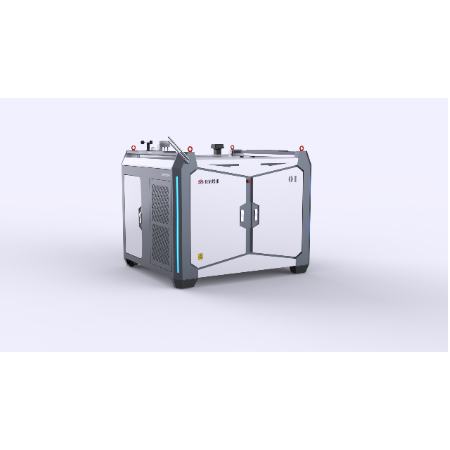
Featured product
Yuchao H350 battery swapping drone hangar
The Yuchao H300 drone intelligent battery swapping hangar is a battery-swapping type drone hangar and serves as a ground infrastructure for the fully automated operation of the M300 drone. It is an important component for enabling the drone to automatically take off, land, store, swap batteries, communicate remotely,...
Products mentioned in this guide

Vertical takeoff and landing fixed-wing unmanned aerial vehicle automatic hangar
Weight: 1500 kg Features: One-button automatic takeoff, automatic ecovery, automatic fast battery swapping and charging Supports cloud control and management Compatible with...
View product details →
MC600-C Dual-Drone Charging Drone Nest
The machine nest has automatic take-off and landing, automatic operation, datareturn, data analysis, automatic charging and other functions. At the same time, it has2 parking bays...
View product details →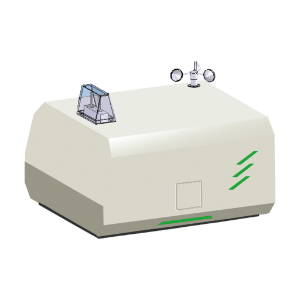
QC200-M3 Small Battery Swapping Drone Nest
Empowering small industrial drones with fixed deployment, flexible mobility, lightweight design, unattended operation, remote communication, automatic battery swap, real-time...
View product details →Frequently asked questions
What is a battery-swapping drone hangar?
A battery-swapping hangar is automated ground infrastructure that replaces a drone's depleted battery with a charged one, allowing the aircraft to continue operating without a human swapping batteries in the field. The Yuchao H350 is a battery-swapping intelligent hangar designed for fully automated M300 drone operations, including automatic takeoff, landing, storage, battery swapping, remote communication, data storage, and intelligent analysis.
Which drones are compatible with the Yuchao H350?
The Yuchao H350 is specified as ground infrastructure for the fully automated operation of the M300 drone. If your program uses a different aircraft, confirm compatibility with the manufacturer before purchasing—contact us for the datasheet and compatibility details.
What is the difference between a charging nest and a battery-swapping nest?
A charging nest, such as the MC600-C Dual-Drone Charging Drone Nest, recharges the drone's battery while it is parked—the MC600-C has two parking bays for two drones. A battery-swapping nest, such as the Yuchao H350 or QC200-M3, automatically replaces the battery, which is designed to support continuous unattended operation. The right choice depends on your flight duty cycle and aircraft type.
What networking options do drone hangars support?
Networking varies by model. The UK-01 hangar from UING Intelligence supports wired, 4G, 5G, and mesh networking (customizable) and supports cloud control and management, and it can continue running for 5 hours after hangar power is cut off. For the Yuchao H350, MC600-C, and QC200-M3, networking details are not fully published in the listings—contact us for the datasheet.
How do we get pricing, certifications, and full specifications?
Public listings cover core functions but not pricing, certification documents, or complete specifications. Contact SkyDrone Max for the datasheet for any hangar you are evaluating, including the Yuchao H350, UK-01, MC600-C, and QC200-M3, and we will provide manufacturer documentation and connect you with the relevant supplier.
Need help selecting the right system?
Tell us your mission, payload, and operating environment. Our team will help you compare options and request the right datasheets from verified suppliers.