For procurement teams running environmental monitoring drone programs, battery and power supply decisions come down to three questions: can the equipment charge and maintain batteries automatically in the field, can it track battery health well enough to prevent in-flight failures, and does it meet the safety and documentation standards your organization requires. This FAQ answers those questions using the Drone intelligent charging cabinet (P2MINI) from ShenZhen Jiuyi General Aviation Equipment Co., Limited as the main example, along with complementary battery and recharging products available on SkyDrone Max.
Why Do Battery and Power Supply Choices Matter for Environmental Monitoring Programs?
Environmental monitoring operations typically involve repeated flights over the same sites, often in remote locations and in bulk. A single monitoring campaign may require dozens of battery packs rotating through charge, storage, and maintenance cycles. Without automated charging and health monitoring, teams rely on manual checks that are slow, inconsistent, and prone to error.
The P2MINI was designed based on the practical application needs of China's power grid enterprises and government organizations, which face the same operational demand: automatic charging, maintenance, and management of bulk batteries in the field. That requirement profile matches environmental monitoring programs well, where fleets are deployed away from permanent facilities and battery turnover is continuous.
What Does the Drone Intelligent Charging Cabinet (P2MINI) Actually Do?
The Drone intelligent charging cabinet is a field-ready unit for automatic charging, maintenance, and management of bulk batteries. Its documented capabilities include:
- Variable-frequency charging technology that helps extend battery service life.
- Visual display of battery SN codes, cycle counts, and other information.
- Battery health assessment and monitoring to support flight safety decisions.
- T3-grade fire and explosion-proof safety design, including protection against battery overheating and overcharging.
- Domestically produced chips compatible with the HarmonyOS operating system, in compliance with relevant national data security standards.
For environmental monitoring teams, the health assessment and cycle-count tracking features are particularly relevant. Batteries used in routine monitoring flights age predictably, and having per-pack SN codes and cycle counts visible on the cabinet allows operators to retire packs on evidence rather than guesswork.
Which Battery Types and Power Products Should Buyers Consider Alongside a Charging Cabinet?
A charging cabinet manages batteries, but some programs also need to specify the batteries themselves or add mobile recharging capability for remote sites. SkyDrone Max lists related products in the same category:
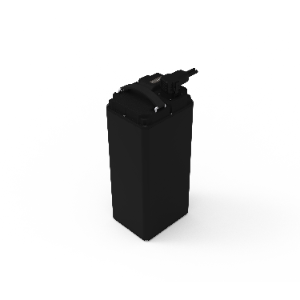
- Mini Vehicle 72V31.9Ah Smart Battery (ZHIANN TECHNOLOGY) — 2341.46Wh, with intelligent fast charging, automatic balancing, IP67 waterproofing, short circuit protection, multiple batteries parallel support, and internal resistance monitoring algorithms.
- Mini Vehicle 36V10Ah Smart Battery (ZHIANN TECHNOLOGY) — 360Wh, with the same feature set: ultra-low power consumption, intelligent fast charging, automatic balancing, IP67 waterproofing, slow power on function, short circuit protection, self-consumption detection, and internal resistance monitoring.
- Drone Airport Mobile Recharging Vehicle (REPOWER TECHNOLOGY CO.,LTD.) — a 100kWh mobile recharging device with charge and discharge management, battery balancing and maintenance, and multi-dimensional status monitoring. It supports multiple power inputs including grid power and diesel generators.
The mobile recharging vehicle is designed for unmanned drone airports, outdoor operation base stations, and large event support, and it supports off-grid independent power supply for unmanned drone airports. Its voltage coverage ranges from 5V to 100VDC and 200V to 1500VDC, enabling multi-functional use with one device. For environmental monitoring teams working in remote terrain without reliable grid access, this type of mobile unit can complement a fixed charging cabinet.
How Do These Products Compare?
The table below summarizes what the supplied data supports. Where a specification is not documented, we note it rather than estimate it.
| Attribute | P2MINI Charging Cabinet | Mobile Recharging Vehicle (100kWh) | ZHIANN Smart Batteries |
|---|---|---|---|
| Primary function | Automatic charging, maintenance, and management of bulk batteries | Charging, discharging, balancing, and monitoring for drone battery packs and airport energy storage | Battery packs with smart monitoring features |
| Key capacity data | Contact us for the datasheet | 100kWh battery pack | 72V31.9Ah (2341.46Wh) and 36V10Ah (360Wh) options |
| Power inputs | Contact us for the datasheet | Grid power, diesel generators, self-provided battery pack | Contact us for the datasheet |
| Safety features | T3-grade fire and explosion-proof design; overheating and overcharging protection | Contact us for the datasheet | IP67 waterproofing, short circuit protection |
| Health monitoring | Battery SN codes, cycle counts, health assessment and monitoring | Multi-dimensional status monitoring | Self-consumption and internal resistance monitoring algorithms |
| Best suited for | Field-based bulk battery management for fleet operations | Off-grid and mobile recharging for drone airports and base stations | Programs specifying smart batteries with balancing and monitoring |
What Compliance and Safety Documentation Should Procurement Teams Request?
The P2MINI is documented as using domestically produced chips compatible with the HarmonyOS operating system, in compliance with relevant national data security standards. For organizations with strict data governance requirements, this is a meaningful point to verify with the supplier before purchase.
On the physical safety side, the cabinet's T3-grade fire and explosion-proof design includes protection against battery overheating and overcharging. Procurement teams should ask suppliers to confirm the exact scope of the T3-grade rating and request any available test documentation. For the ZHIANN smart batteries and the REPOWER mobile recharging vehicle, request the datasheet for waterproof ratings, protection circuits, and applicable certifications beyond what is listed in the product descriptions.
How Should You Evaluate Battery and Power Supply Suppliers?
Use the following checklist when comparing suppliers for a battery and power supply tender:
- Field-proven design context: The P2MINI was developed for power grid enterprises and government organizations, which indicates a design brief built around bulk battery management in demanding operational settings. Ask any supplier about the operational environments their products were designed for.
- Battery health visibility: Require per-battery SN tracking, cycle counts, and health assessment. Without these, your team cannot make informed battery retirement decisions.
- Safety design: Confirm fire and explosion-proof ratings, overheating and overcharging protection, and short circuit protection, and ask for supporting documentation.
- Charging technology: Variable-frequency charging that helps extend battery service life can reduce total cost of ownership over a multi-year program.
- Power flexibility: For remote monitoring sites, confirm whether the solution supports grid power, generator input, or off-grid independent operation, as the REPOWER mobile recharging vehicle does.
- Data security: If your organization operates under government data security requirements, confirm the operating system and chip provenance, as the P2MINI does with HarmonyOS-compatible domestically produced chips.
What Questions Should You Ask Before Ordering?
Before committing to a purchase order, ask the supplier for the datasheet covering charging capacity, battery compatibility, and physical dimensions. Confirm how many batteries the cabinet can manage simultaneously, what charging protocols it supports, and whether it integrates with your existing fleet management workflows. For the mobile recharging vehicle, clarify the input power options available in your region and the voltage coverage you need for your specific battery packs. For smart batteries, verify the communication interface and whether the internal resistance monitoring data can be exported to your maintenance records.
Environmental monitoring programs run on schedule reliability. Battery infrastructure that documents its own health, protects itself against overheating and overcharging, and extends battery life through variable-frequency charging removes a significant source of operational risk. Start with the P2MINI charging cabinet for bulk battery management, add mobile recharging capability if your sites lack grid power, and specify smart batteries with built-in balancing and monitoring where your program requires them.

Featured product
Drone intelligent charging cabinet
Designed based on the practical application needs of China’s ower grid enterprises and government organizations, this product addresses the operational demand for automatic charging, maintenance, and management of bulk batteries in the field. This product utilizes domestically produced chips compatible with the...
Products mentioned in this guide
Mini Vehicle 72V31.9Ah Smart Battery
Ultra-low Power Consumption, Intelligent Fast Charging, Automatic Balancing, Waterproof Level IP67, Slow Power On Function, Short Circuit Protection, Multiple Batteries Parallel,...
View product details →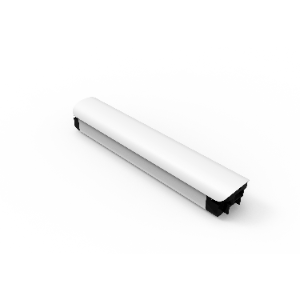
Mini Vehicle 36V10Ah Smart Battery
Ultra-low Power Consumption, Intelligent Fast Charging, Automatic Balancing, Waterproof Level IP67, Slow Power On Function, Short Circuit Protection, Multiple Batteries Parallel,...
View product details →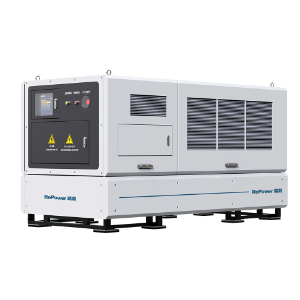
Drone Airport Mobile Recharging Vehicle
Product Overview: This next-generation intelligent mobile recharging device is designed for the low-altitude economy and unmanned system operation scenarios, particularly for...
View product details →Frequently asked questions
What is the Drone intelligent charging cabinet (P2MINI) used for?
It is designed for automatic charging, maintenance, and management of bulk batteries in the field. It was developed based on the practical needs of China's power grid enterprises and government organizations, and it suits fleet operations such as environmental monitoring where many batteries rotate through charge and maintenance cycles.
How does the P2MINI improve battery safety?
It features a T3-grade fire and explosion-proof safety design, including protection against battery overheating and overcharging. It also provides battery health assessment and monitoring, which supports flight safety by helping operators identify packs that need maintenance or retirement.
Can the P2MINI help extend battery life?
Yes. The product uses variable-frequency charging technology, which helps extend battery service life. It also displays battery SN codes and cycle counts so operators can track usage and make evidence-based replacement decisions.
What options exist for remote or off-grid monitoring sites?
The Drone Airport Mobile Recharging Vehicle from REPOWER TECHNOLOGY includes a 100kWh battery pack and supports multiple power inputs, including grid power and diesel generators. It supports off-grid independent power supply for unmanned drone airports and covers voltages from 5V to 100VDC and 200V to 1500VDC.
What documentation should I request before purchasing?
Ask for the datasheet for any product you are evaluating, including charging capacity, battery compatibility, and certifications. For the P2MINI, confirm the scope of the T3-grade safety rating and its compliance with relevant national data security standards. For the ZHIANN smart batteries and the REPOWER mobile recharging vehicle, request full specifications beyond the listed features such as IP67 waterproofing and internal resistance monitoring.
Need help selecting the right system?
Tell us your mission, payload, and operating environment. Our team will help you compare options and request the right datasheets from verified suppliers.