Choosing the right battery and power supply setup for a public safety or emergency response drone program comes down to three decisions: the battery chemistry and ratings that match your airframes, the charging infrastructure that matches your operating environment, and the storage and handling practices that keep crews safe between missions. This guide walks procurement teams through each decision, using products currently listed on SkyDrone Max as concrete examples of the options available in 2026.
Why Power Supply Planning Determines Mission Readiness
In public safety and emergency response operations, a drone that cannot launch because its batteries are cold, depleted, or still charging is a missed mission. Power supply planning is therefore not an afterthought to airframe selection - it defines how many sorties a crew can fly per hour, whether operations can continue in cold conditions, and whether teams can work away from grid power. Procurement teams should evaluate batteries, chargers, and field charging cases as one integrated system rather than as separate line items.
For agencies operating in East Africa, where response teams may deploy to remote incident sites far from reliable grid power, the ability to charge and store batteries in the field is often the deciding factor between a one-flight demonstration and a sustained operational capability.
Selection Criteria for Drone Batteries
Before comparing specific products, define the requirements your missions impose on the battery:
- Continuous discharge rating: high-current platforms such as heavy-lift or high-speed response drones need batteries that sustain high continuous discharge. The 14S-11.3Ah drone battery from Xi'an Safty Energy Technology, for example, supports 15C (170A) continuous discharge and 2C (22.6A) fast charging.
- Energy density versus weight: higher energy density extends flight time but affects overall weight and balance. The 6S 36Ah solid-state battery from Zhuun Intelligent Technology is rated at 330Wh/kg, with the manufacturer citing a broader 260-420Wh/kg energy density range across the product line.
- Cycle life: batteries are consumables in enterprise fleets. The same solid-state battery is specified with a cycle life above 1000 cycles, which affects total cost of ownership calculations.
- Cell configuration (S rating): the battery's series count must match your airframe's power system. Verify compatibility with the airframe manufacturer before ordering.
- Operating and storage temperature range: this is critical for highland, early-morning, or winter operations, and is discussed in more detail below.
For any battery you are evaluating, request the full specification sheet from the supplier - including exact weight, dimensions, connector type, and temperature limits - before committing to a fleet-wide purchase. If a listed product does not publish these figures, contact us for the datasheet.
Charging Infrastructure: From Bench Chargers to Field Cases
Charging equipment is where many public safety programs under-invest. Three categories matter:
- High-power intelligent chargers for fleet turnaround. The 18S~28S 20KW heavy-duty intelligent fast charging charger from Unos Intelligeng Technology covers a wide cell-count range (18S to 28S) at 20KW output, suited to larger commercial platforms where charge time between sorties directly limits mission tempo.
- Field charging and storage cases for forward deployments. These combine charging slots, protected storage, and environmental control so batteries remain mission-ready at the incident site.
- Outdoor energy storage integration. Off-grid operations depend on pairing chargers with portable energy storage, so confirm that any charger you buy can work alongside such devices.
Cold conditions deserve specific attention. Lithium batteries used in extreme low temperatures can suffer reduced performance and safety issues, which is why heated and insulated charging equipment exists. The Outdoor Heated Charging Case from ShenZhen Jiuyi General Aviation Equipment, model M3, is designed for fast battery charging and storage during outdoor and winter operations. Its heating and insulation function supports normal battery operation in extremely cold low-temperature conditions, and the unit provides six charging slots and four storage slots in a portable design. It also includes USB-A and USB-C ports for reverse output, allowing crews to emergency-charge tablets and other electronic devices from the same case - a practical feature when the charging case doubles as the team's field power hub.
Comparing the Options in This Guide
The following table summarizes the four products referenced here. Note that the products serve different roles in a power supply system rather than competing directly, so this table is for orientation, not ranking.
| Product | Role in the power system | Key specifications from listing | Brand |
|---|---|---|---|
| Outdoor Heated Charging Case (M3) | Field charging, heated storage, and emergency device charging | 6 charging slots, 4 storage slots, heating and insulation for extremely cold conditions, USB-A and USB-C reverse output, portable design | ShenZhen Jiuyi General Aviation Equipment Co., Limited |
| 18S~28S 20KW heavy-duty intelligent fast charging charger | High-power fleet charging | 20KW output, supports 18S to 28S cell configurations, intelligent fast charging | Unos Intelligeng Technology (SHENZHEN) CO., LTD |
| 6S 36Ah solid-state drone battery | Long-endurance airframe battery | 330Wh/kg energy density, >1000 cycle life, no thermal expansion during charge and discharge, wider operating and storage ambient temperature range | Zhuoxun Intelligent Technology (Henan) Co., Ltd |
| 14S-11.3Ah drone battery | High-discharge airframe battery | 15C (170A) continuous discharge, 2C (22.6A) fast charging | Xi'an Safty Energy Technology Co., Ltd. |
Integration Questions to Ask Before You Buy
Batteries and chargers rarely fail procurement on specifications alone; they fail on integration. Put these questions to suppliers during evaluation:
- Does the battery's cell configuration, connector, and physical envelope match each airframe in your fleet?
- Is the charger's supported cell range (for example, 18S~28S on the Unos 20KW unit) compatible with your battery packs, or do you need multiple chargers?
- Can the field charging case be used in conjunction with your existing or planned outdoor energy storage devices?
- What are the battery's exact operating and storage temperature limits, and do they match your deployment climate?
- What is the lead time, warranty, and spare-parts availability for batteries and chargers in your region?
- Does the supplier provide cycle-life data and safe-handling documentation for training your crews?
A Procurement Checklist for Public Safety Teams
Use this checklist when evaluating any battery or power supply purchase in 2026:
- Define sortie requirements: flights per hour, flight duration, and payload for each mission type.
- Verify discharge and charge ratings against your airframe manufacturer's requirements - do not estimate.
- Confirm cell configuration compatibility for every airframe variant in the fleet.
- Specify temperature requirements: if you operate in cold regions, early mornings, or high altitudes, heated charging and storage such as the M3 case should be on the list.
- Plan charging capacity: match charger output (e.g., 20KW class for larger platforms) to the number of batteries you need ready per operational period.
- Budget for cycle life: request cycle-life figures and calculate replacement cost per flight hour.
- Check reverse-output and auxiliary power features if the charging equipment must also support tablets, radios, or other crew devices.
- Request datasheets in writing for every product; where figures are not published, contact us for the datasheet before purchase.
- Confirm logistics: shipping constraints for lithium batteries, regional import requirements, and local service support.

Featured product
Outdoor Heated Charging Case
Suitable for fast battery charging and storage during outdoor and winter operations. The heating and insulation function supports normal battery operation in extremely cold low-temperature conditions. It can also be used in conjunction with outdoor energy storage devices. Featuring a portable design, the unit includes...
Products mentioned in this guide
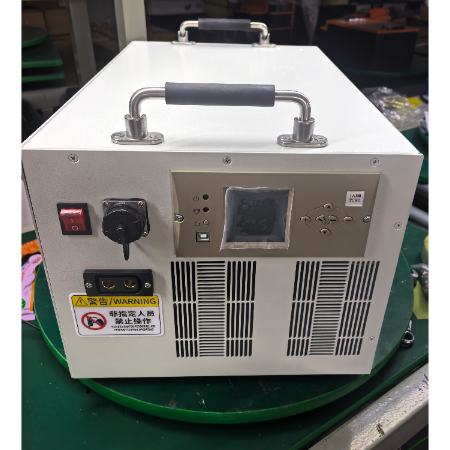
18S~28S 20KW heavy-duty intelligent fast charging charger
18S~28S 20KW heavy-duty intelligent fast charging charger
View product details →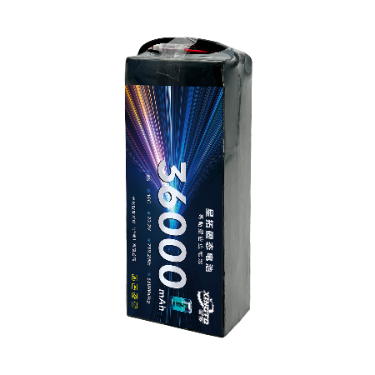
Long cycle life 6s 36000mah, 330Wh/kg, 10C high energy density solid-state drone battery
·Brand new solid-state battery, high safety performance ·Long cycle life (>1000 cycles) ·No thermal expansion during charging and dischargingLight weight, small size, high energy...
View product details →
Drone battery
Supports 15C (170A) continuous discharge and 2C (22.6A) fast charging.
View product details →Frequently asked questions
Do I need a heated charging case if I operate in a warm climate?
If your operations never encounter extremely cold low-temperature conditions, heating may not be essential. However, the Outdoor Heated Charging Case M3 also serves as a portable field charging and storage unit with six charging slots, four storage slots, and USB reverse output for emergency charging of tablets and other devices, so it can still be useful as a general field power hub for deployed teams.
Can the Outdoor Heated Charging Case work off-grid?
According to the product listing, the M3 can be used in conjunction with outdoor energy storage devices. This makes it suitable for forward deployments where teams pair the case with portable energy storage rather than relying on grid power. Confirm compatibility with your specific storage device with the supplier before purchase.
What does 15C continuous discharge mean in practical terms?
The 14S-11.3Ah drone battery from Xi'an Safty Energy Technology supports 15C continuous discharge, listed as 170A. This indicates the battery can sustain high current output for power-hungry platforms. Whether it suits your airframe depends on that airframe's maximum current draw, so verify against the manufacturer's requirements and request the full datasheet if needed.
Are solid-state drone batteries a better choice for 2026 purchases?
The solid-state 6S 36Ah battery listed by Zhuoxun Intelligent Technology is specified with high safety performance, a cycle life above 1000 cycles, no thermal expansion during charging and discharging, light weight, and a wider operating and storage ambient temperature range. Whether it is the better choice depends on your airframe's voltage requirement (this pack is 6S), your endurance needs, and your budget. Compare against conventional packs such as the 14S-11.3Ah option based on your fleet's specifications.
How many batteries and chargers should a public safety drone team buy?
This depends on your sortie tempo and charge times, which vary by battery and charger. As a planning principle, size your charging capacity so batteries are ready faster than crews need them: with equipment like the M3 case offering six charging slots, or the Unos 20KW charger for larger packs, calculate required simultaneous charging slots from your planned flights per hour. Contact us with your fleet details for a datasheet-based recommendation.
Need help selecting the right system?
Tell us your mission, payload, and operating environment. Our team will help you compare options and request the right datasheets from verified suppliers.