A UAV simulation system is a software-based training platform that lets drone pilots practice mission scenarios, emergency procedures, and tactical drills on a computer before flying real aircraft. For surveying and mapping organizations, the core question is usually the same: can a simulator prepare our pilots for the emergency and public-safety situations our mapping crews may encounter, without exposing expensive LiDAR and photogrammetry payloads to training risk? This FAQ answers the questions procurement teams most often ask when evaluating simulation systems, using the AUSE-V1R Fire and Rescue Drone Simulator as a working example.
Why do surveying and mapping teams buy simulation systems?
Surveying and mapping operations increasingly overlap with emergency response work. A mapping crew may be asked to support forest fire reconnaissance, disaster assessment, or search support at short notice. Training for those missions on real aircraft is expensive and risky, and in many regions suitable training airspace is limited. A simulation system addresses this by allowing pilots to rehearse reconnaissance flight patterns, precise throwing or delivery tasks, and tactical drills in a controlled environment. For procurement teams, the value proposition is straightforward: more trained pilots, fewer damaged airframes, and a documented training record that supports compliance efforts.
What does the AUSE-V1R Fire and Rescue Drone Simulator cover?
The AUSE-V1R Fire and Rescue Drone Simulator from WuHan Arover Technology is a UAV security and rescue tactical exercise simulation system designed for the security industry and emergency support training. According to the product data, it provides a training foundation for firefighting, rescue, and disaster relief missions, and its scenario set includes:
- Tactical drills for UAV security and rescue operations
- Reconnaissance delivery and aerial reconnaissance missions
- Precise throwing exercises
- Forest fire reconnaissance and rescue flight training
- High-building fire reconnaissance and rescue scenarios
- Fixed-wing disaster reconnaissance and rescue training
For a surveying and mapping organization, the fixed-wing disaster reconnaissance module is particularly relevant, since many mapping fleets already operate fixed-wing platforms for large-area coverage. The AUSE-V1R also explicitly adheres to the UAV Pilot Qualification Assessment Rules and the UTC UAV Emergency Firefighting Technology Course Standards, which means training can be structured around recognized qualification frameworks rather than ad hoc lesson plans.
How do we evaluate simulation systems before purchasing?
Procurement teams should treat a simulation system like any other mission-critical software purchase. A structured evaluation should cover:
- Scenario relevance: does the simulator include the mission types your crews actually fly, such as surveying and mapping, emergency response, or inspection scenarios?
- Standards alignment: does the training structure map to recognized qualification rules, as the AUSE-V1R does with the UAV Pilot Qualification Assessment Rules and UTC emergency firefighting course standards?
- Aircraft coverage: can the system emulate the platforms in your fleet, including multi-rotor and fixed-wing types?
- Assessment and records: can instructors evaluate trainees and document progress for compliance purposes?
- Deployment model: confirm licensing, hardware requirements, and installation support directly with the supplier — contact us for the datasheet on any system you are shortlisting.
How do the main simulation systems compare?
SkyDrone Max lists several simulation systems suited to different training objectives. The table below compares them using only the information published in the product data.
| Attribute | AUSE-V1R Fire and Rescue Drone Simulator | SESP-U1 Drone Simulator | UAV Firefighting Simulation System |
|---|---|---|---|
| Brand | WuHan Arover Technology CO., Ltd | WuHan Arover Technology CO., Ltd | Judian Culture Media (Beijing) Co., Ltd. |
| Primary focus | Security and rescue tactical exercise simulation for firefighting, rescue, and disaster relief | Enterprise-grade mission scenarios across multiple industries | Firefighter training, training institutions, and fire safety education |
| Scenario coverage | Tactical drills, reconnaissance delivery, aerial reconnaissance, precise throwing, forest fire, high-building fire, and fixed-wing disaster reconnaissance | Basic training, electric power inspection, public safety, agriculture, emergency and firefighting, surveying and mapping, aerial photography, refinery inspection | VR-based firefighting learning, practice, and assessment |
| Standards referenced | UAV Pilot Qualification Assessment Rules; UTC UAV Emergency Firefighting Technology Course Standards | Not specified in the product data — contact us for the datasheet | Not specified in the product data — contact us for the datasheet |
| Technology approach | UAV tactical exercise simulation | Software simulation with enterprise mission scenarios | Combines VR and firefighting technology |
If your priority is emergency and rescue tactical training with a recognized qualification framework, the AUSE-V1R is the closest match. If you need broader industry scenario coverage that explicitly includes surveying and mapping missions, the SESP-U1 Drone Simulator lists surveying and mapping among its enterprise-grade scenarios. For fire service education programs that want immersive VR-based learning, the UAV Firefighting Simulation System is designed for firefighters and training institutions.
What compliance documentation should we request from suppliers?
Simulation systems sit at the intersection of aviation training and safety compliance, so documentation matters. Before awarding a contract, ask suppliers for: the full technical datasheet, the list of standards or qualification rules the training content adheres to, licensing terms for enterprise or multi-seat deployment, and details of any instructor certification or onboarding support. The AUSE-V1R's published adherence to the UAV Pilot Qualification Assessment Rules and the UTC UAV Emergency Firefighting Technology Course Standards is a useful reference point — if a competing simulator does not state which standards it follows, request that information in writing. For any product where the data does not specify certifications or documentation, contact us for the datasheet rather than assuming coverage.
How does simulation connect to real emergency response hardware?
Simulation is most effective when it prepares pilots for the aircraft they will actually operate. For example, the VF80 Firefighting Drone from Kunshan Huanan Electronic Technology is a multi-mode firefighting platform with remote jetting up to 15m, multi-channel fire extinguisher deployment below 100m, modular switching between high-rise firefighting, forest fire containment, and emergency rescue modes, IP65 protection, and 6-level wind resistance. Teams procuring aircraft like this should confirm with the simulator vendor whether comparable mission profiles — high-rise reconnaissance, forest fire containment, material delivery — are represented in the training scenarios. The AUSE-V1R's high-building fire and forest fire reconnaissance modules align with these mission types, but specific platform emulation should be verified with the supplier before purchase.
What should Latin American procurement teams consider?
Organizations in Latin America running surveying and mapping programs often carry dual responsibilities: producing geospatial data and supporting national or regional emergency response. When tendering for simulation systems in the region, build these requirements into the specification: scenario coverage for forest fire reconnaissance (relevant across large parts of Brazil, Chile, and Argentina), fixed-wing disaster reconnaissance for wide-area assessment, and training structures that map to the qualification rules your aviation authority or client organizations recognize. Because the AUSE-V1R is built around tactical exercise simulation for firefighting, rescue, and disaster relief, it fits programs where emergency support is part of the mapping team's mandate. Confirm delivery, installation, and after-sales arrangements for your country directly with the supplier — contact us for the datasheet and regional availability details.

Featured product
AUSE-V1R Fire and Rescue Drone Simulator
For the security industry training, the UAV security rescue tactical exercise simulation system enhances the trainees’ emergency support capabilities, providing a solid foundation for fire fighting, rescue, and disaster relief missions. The simulation system strictly adheres to the vil UAV Pilot Qualification...
Products mentioned in this guide

The UAV Firefighting Simulation System
The Firefighting Simulation System is an advanced training tool designed for firefighters, training institutions, and fire safety education. By combining VR and firefighting...
View product details →
SESP-U1 Drone Simulator
SRIZFLY Drone Simulator offers wide variety of enterprise grade mission scenarios including basic training, electric power inspection, public safety, agriculture, emergency and...
View product details →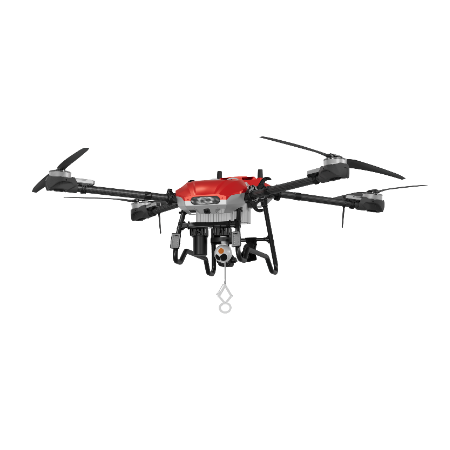
VF80 Firefighting Drone
With a rapid 3-minute response time, it supports remote jettingup to 15m and precise multi-channel fire extinguisher deploymentat altitudes below 100m. lts modular design allows...
View product details →Frequently asked questions
What is a UAV simulation system and who is it for?
A UAV simulation system is a training platform that lets pilots practice mission scenarios and emergency procedures without flying real aircraft. It is used by drone operators, training institutions, fire services, and enterprise fleets — including surveying and mapping teams whose crews may be called on for emergency reconnaissance or disaster support.
Which training scenarios does the AUSE-V1R include?
The AUSE-V1R Fire and Rescue Drone Simulator covers tactical drills, reconnaissance delivery, aerial reconnaissance, precise throwing, forest fire reconnaissance and rescue, high-building fire reconnaissance and rescue, and fixed-wing disaster reconnaissance and rescue.
Does the AUSE-V1R align with recognized training standards?
Yes. According to the product data, the AUSE-V1R strictly adheres to the UAV Pilot Qualification Assessment Rules and the UTC UAV Emergency Firefighting Technology Course Standards, so training can be structured around recognized qualification frameworks.
Can a simulation system help with surveying and mapping training?
The SESP-U1 Drone Simulator explicitly lists surveying and mapping among its enterprise-grade mission scenarios, alongside electric power inspection, public safety, agriculture, emergency and firefighting, aerial photography, and refinery inspection. For emergency and rescue tactical training specifically, the AUSE-V1R is the focused option.
How do I get full specifications before purchasing?
Request the technical datasheet from the supplier for any simulator you are shortlisting, including licensing terms, hardware requirements, standards documentation, and support arrangements. Where product listings do not specify certifications or detailed specifications, contact us for the datasheet.
Need help selecting the right system?
Tell us your mission, payload, and operating environment. Our team will help you compare options and request the right datasheets from verified suppliers.